
Reading List Management, Absolute Takes, and Convention Appearances: It’s the January/February Mailbag Q&A!
Folks, this might be the longest Mailbag Q&A I’ve ever done, as you all had a boatload of questions for me to answer. So, let’s get straight to it, as I have 6,000+ words for you to get through. Make sure to walk around after each question, or take breaks on occasion. This is going to be a long one!
Lately, I’ve been having a hard time keeping up with both the reading on my pull list and reading back issues/trades that interest me. How do you prioritize your own reading? How do you balance your new reading with reading comics from the past? – Jeremy Thomas Burke
This is a difficult question because my comic reading has fallen off to start the year, as it tends to do. Post The SKTCHD AWRDS, I normally go into a binge of prose novels, and this year, I’m continuing my onslaught on the New Jedi Order series of Star Wars books (as you might notice in a later question). So, I’m not really prioritizing anything right now beyond the occasional binge to catch up a bit.
But when it’s a typical time, it’s all very feel based. I covered that in The Immediacy Index, a breakdown of my prioritization of reads that mostly focused on single issues, but I’ll read a trade/graphic novel if I’m excited about it. A good example is I bought Love Bullet Vol. 1, a manga release from December, and read that pretty quickly simply because I wanted to. So, I’d say it’s a triage-like approach, one where I read based on how urgent the need feels.
And the reading from the past typically comes last as, frankly, if I wanted to read a comic that came out previously, I probably would have read it then. There are exceptions, like comics from before I was reading them as just one example. But for the most part, those are at the end of my list because I’m such a high volume reader anyways and rarely miss things I’m even 10% interested in.
Long story short: It’s tough, but I’d just lean into what feels right to you. There’s no wrong answer, and you shouldn’t put pressure on yourself to get through things. All in good time, my friend!
Do you think most comic readers who support the medium read a certain way? Such as collected, singles, or digital? Is it more of an all-of-the-above? Also, how do you like to consume comics in 2026? – Brad Bell
There definitely isn’t a one size fits all approach to reading comics these days. Everyone does things differently, and I’m proof of that. Let me list off the ways I read comics last year to reinforce what I mean. I’ll do my best to order them in “most read” to “least read” to underline what gets priorty, though.
- Print issue comics/trade/graphic novels – three way tie, impossible to separate because it’s so close
- Manga, almost exclusively as tankōbons
- Digital comics, primarily through PDFs from publishers and creators or through Hoopla
- Comic strips, mostly on Instagram
- Small press comics or zines, often bought at conventions
- Webtoons
- Digital first comics from direct market publishers
That’s me, but the most common format in America is almost certainly manga in print probably followed by Webtoon, graphic novels in print, and then single issues in print, with digital comics/trades/manga somewhere in the mix there as well. I say that, but honestly, social media comic strips might be the most read comics today. But who knows, really? There isn’t much data for any one channel, and comparing different formats and platforms to each other is effectively impossible.
The reality is, like with any entertainment medium today, we’re all moving targets. We watch things on our phones, tablets, TVs, video game systems, and who knows what else, but which we use at what time is always changing. Comics aren’t that different, even if I suspect I’m probably correct on the top two.
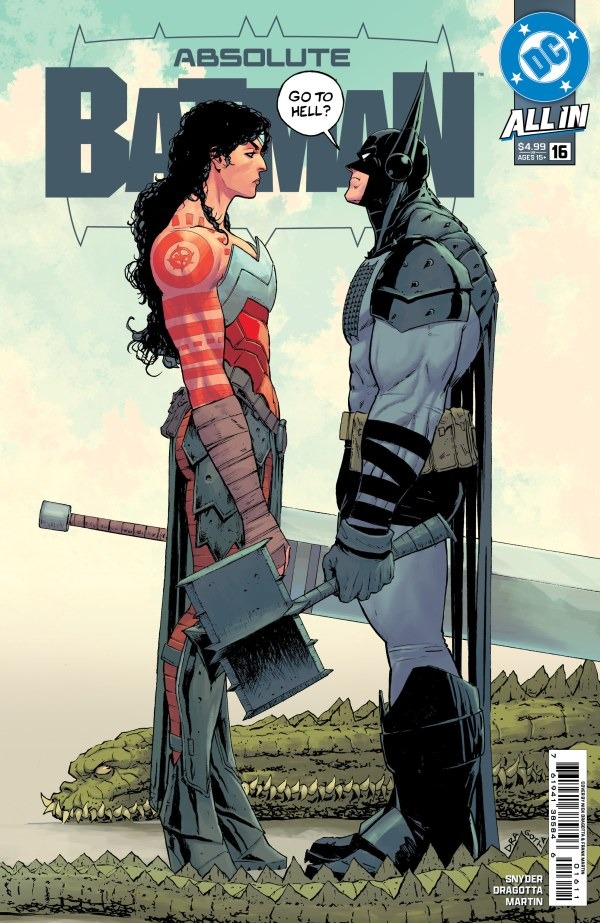
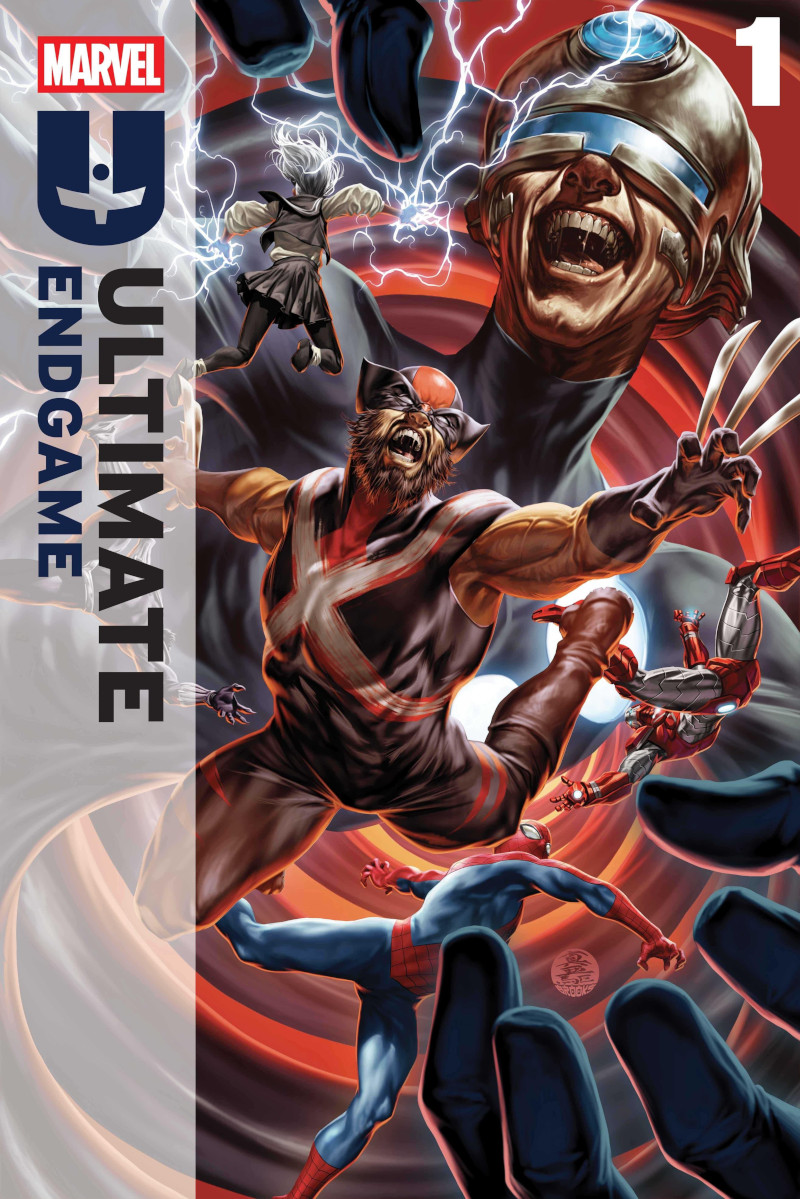
While still a success story, it’s clear that the Absolute line performed better than Marvel’s new Ultimate line. Could you break down why in three points? – Zack Jenkins
God, three points? That’s tough, but I’ll do my best.
- Deliberate Counterprogramming with Artists: Every Absolute title, save for maybe Absolute Superman, felt like it had an artist specifically cast for the purpose of feeling different than their main line equivalents. In specific, Nick Dragotta brought a manga-like energy to Absolute Batman, and that telegraphed how different the line would be. Meanwhile, the Ultimate books were just good artists doing good work save for Peach Momoko, who felt considerably different. But even with her, we were already kind of used to “This is Peach Momoko doing a different take on the X-Men” thanks to Demon Days.
- Keeping Everything in Print: When Ultimate Spider-Man #1 was a monster hit, the first article I wrote about it was how it was also a bit of a disaster in that Marvel somewhat botched its roll out and then slow rolled additional printings. Meanwhile, every retailer I talk to raves about how DC has kept every issue of every title of the Absolute line in print (let’s not talk about the trades, though), so customers who come in almost always can find the comic they’re looking for. They say the best ability is availability, and DC delivered on that. Marvel did not.
- Twisting Expectations and Desires: Before Absolute arrived, I talked about how I thought Ultimate would perform better than Marvel because each Ultimate book was effectively a what if — like, what if Spider-Man was married and had kids — that readers had previously suggested they wanted. And that worked, for a time. But then I read the Absolute books. The thing about the Absolute books is they did not give readers what they wanted, because who would have asked for a Shaq sized Batman or a Wonder Woman raised in Hell? No one. Instead of aiming for reader desires, DC creators went buckwild modernizing and revolutionizing these characters in unexpected ways, and, uh, it turns out that was a good idea.
- Enabling Creators: I had to add one, because this is crucial. Absolute DC feels like creator-owned takes on familiar ideas. Ultimate Marvel feels like slight twists on existing Marvel comics. A perfect example is Ultimate Black Panther, which is a fine book. But if you went back in time five years and handed its first issue to a comic reader and you did not have the title on it, they would likely just assume that it’s a regular Black Panther comic. But if you did the same with Absolute Batman, the reader would be like, “WTF,” but in a complimentary way. It turns out it’s a good thing to let creators take big swings!
subscribers only.
Learn more about what you get with a subscription