
Marvel Seems to be Broken. Let’s Fix Them!
God help me, I’m writing about Marvel again.
It was a Wednesday, and on Wednesdays, comic fans did what comic fans do: We visit our local shop for new comic book day.
So, there I was, walking the stands as I looked to see if anything was missing from my pull list or if there were any impulse buys I couldn’t resist. As is often the case, conversations about what we’re seeing naturally take place, and two customers looking through Marvel’s wares quickly assessed what they found.
“Are you finding anything interesting?” one asked.
“Some good covers, but nothing worth reading,” the other responded, before his pal agreed and they both walked to the other side of the stands.
As their conversation ended, I moved on to buy my comics, and while checking out, the clerk who was ringing up my purchases said out loud — but not necessarily to me — “Hmm. No Marvel.” Curious, I asked if that was a common occurrence. They assured me it was, and that it was happening with increasing frequency amongst the shop’s Wednesday Warriors.
While comic shop chitchat is hardly an end-all, be-all barometer for the health of a publisher, those engagements felt like succinct reflections of the moribund nature of Marvel these days. And when I say these days, we’re talking at least a half decade of degradation, something I know all too well because I’ve written about Marvel’s struggles nearly every year since 2021. 1 It’s been a slow and steady decline of the long-time King of Direct Market Comics, one that’s resulted in a line that is at best unexciting and somnambulant at worst, with most shops reporting to me that the publisher is seeing diminished sales and interest amongst customers as a result.
That’s not to say there aren’t good comics. Chip Zdarsky’s doing what he can to elevate the line, Ryan North and Humberto Ramos’ Fantastic Four is continuously excellent, and I’ve heard nothing but good things about Infernal Hulk and Mortal Thor. The Ultimate line, should it ever end, has largely proven to be a successful exercise. But when I wrote in 2025 that “short of the time in college when I was no longer reading comics, this is easily my Marvel nadir” in terms of my personal readership, what I didn’t realize then is that number could go down — and it has. I’m currently reading three Marvel titles 2 from a line that regularly eclipses 60 a month, a staggering downturn from when that number used to be my weekly floor.
Why is this happening? I have no idea. I have a million theories, many of which have been posited to me by creators, retailers, journalists, and beyond. 3 It certainly doesn’t help that Marvel recently went through layoffs, which included the loss of three editorial staff members from a team that’s already stretched painfully thin, from what I’ve heard. But I’ve tried to diagnose the problems at Marvel four times in five years, and even though addressing its current challenges is easily the most reader requested piece for the site, the last thing I want to do is write the same article again.
That’s why today, I’m not going to be talking about Marvel’s problems — at least not by design — but the solutions that may be necessary to get the publisher back on track. And I didn’t want to be the driver of these, as I’ve shared my perspective on the topic enough. That’s why I reached out to a variety of folks around the industry to get their perspective on what they think needs to be done to fix Marvel, 4 before using those as a jump off to talk about where things are at the House of Ideas. If implemented, would these actually cure Marvel of its ills? Probably not, as I suspect the problems they face are larger than just what’s happening inside their doors, with corporate pressures fueling many decisions. 5
But it’s still an interesting exercise.
Fix: “They need to enter reality and admit there is a problem.”
Role: A writer who has worked for several key direct market publishers.
While this is in some ways the least actionable fix, it’s also the most crucial. That’s because, as with everything, the first step to solving a problem is admitting you have one, and by most accounts, that does not seem to be something Marvel has been willing to do — either internally or externally.
Like any business, especially one that’s owned by a mega-corporation in Disney, it seems the core objective of the publisher is to continuously grow revenue and/or profit each quarter. That makes sense. It comes with the territory. The primary way Marvel can accomplish that is by getting more non-returnable product ordered by comic shops, and there are two real paths to achieving that. You can either get shops to order more of individual titles and covers or amp up the number of titles and covers you produce. Marvel has clearly gone with the latter route, with variant programs surging, blind bags becoming a near constant, events flooding the zone, and every character and team getting a miniseries, which ensures a quick path back to #1. It seems to accomplish the publisher’s goals, which means there isn’t a problem, right?
But there is. There are many frustrations with the publisher, and from key external figures like creators, retailers, and readers. While Marvel may be reaching its goals for now, it feels like it’s aiming for oblivion with its current approach, and there seems to be little awareness that this is where they’re headed. As the writer who suggested this fix wisely noted, improvements cannot be made until the publisher recognizes the position it’s actually in. 6 This must be the first domino, because you cannot remedy problems without first identifying them as such. While it’s the vaguest and least obviously actionable, it might be the most essential fix from this entire list.
Fix: “Stop building your editorial decisions around the Marvel Cinematic Universe. It makes your books look like licensed spin-offs rather than the reason why there’s a multi-billion-dollar film franchise at all.”
Role: A veteran retailer.
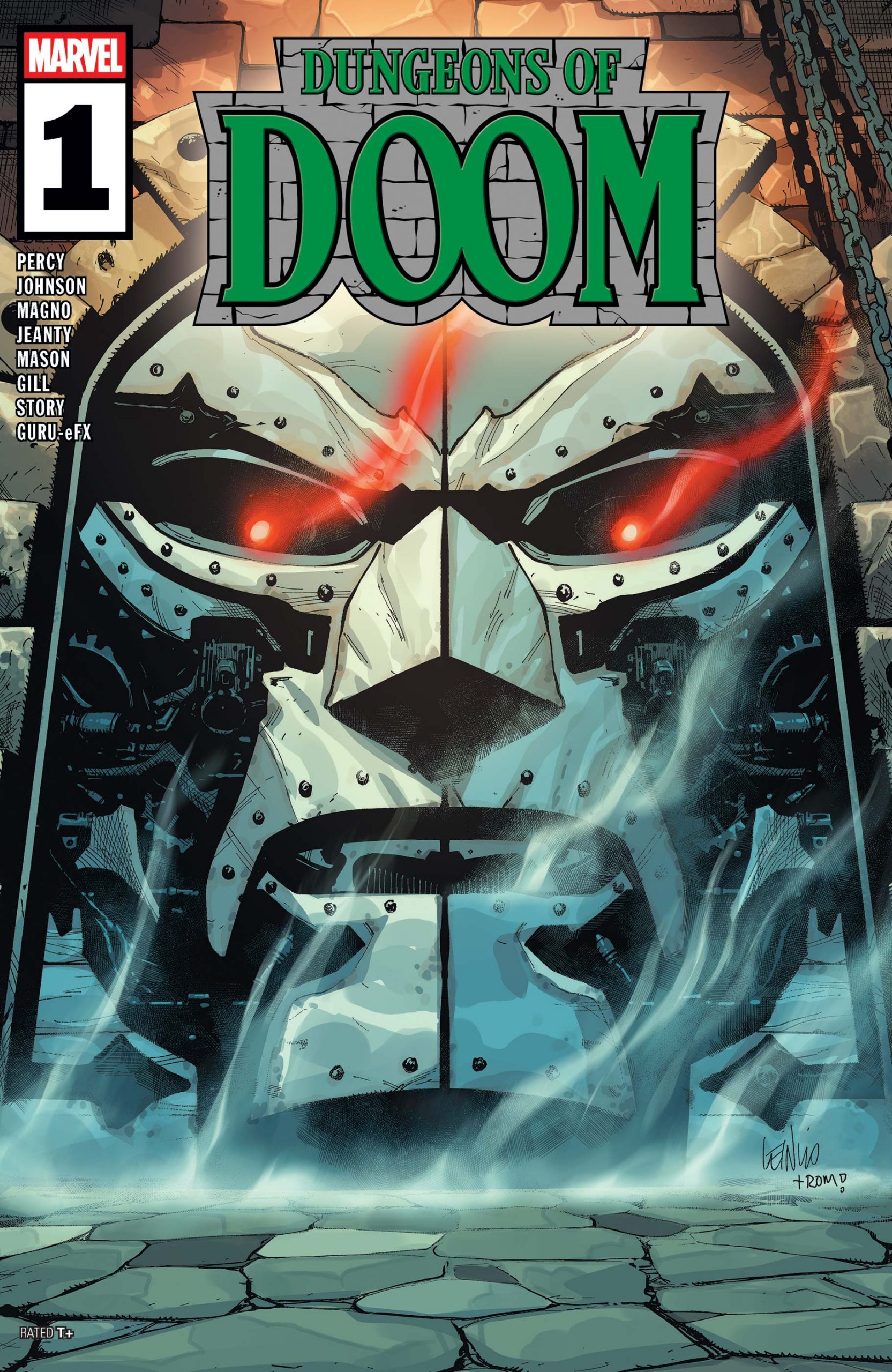
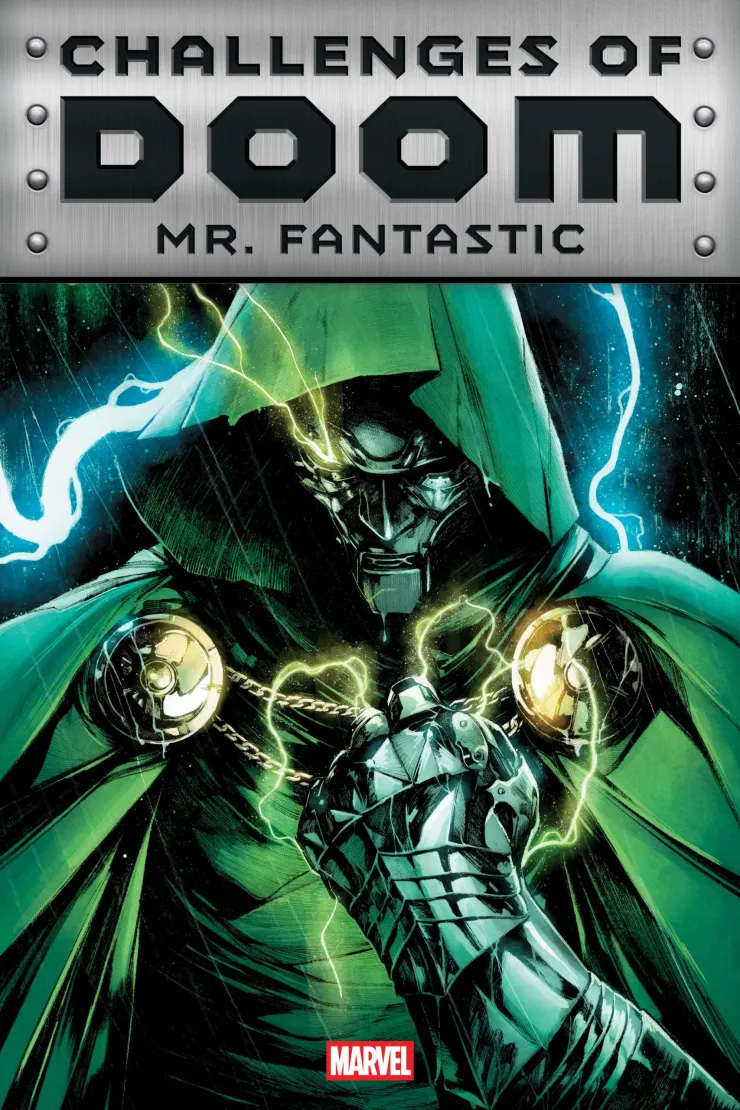
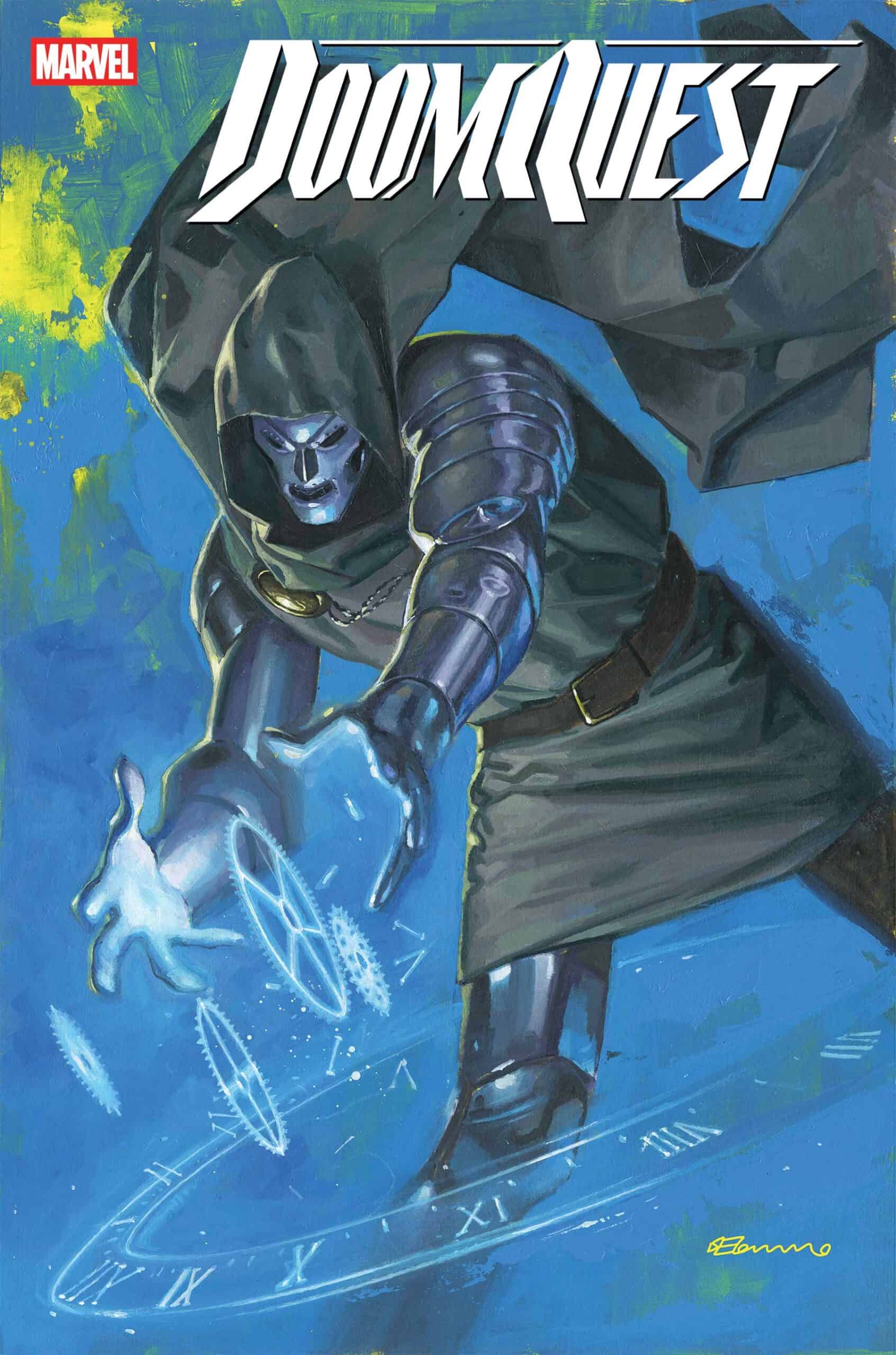
Whether its new titles timed 7 for the release of a movie or show, adjustments to casts or characters to match their film versions, or recent attempts to set the record for most Doctor Doom-related titles at one time in the buildup to Avengers: Doomsday, it’s undeniable that the tail has started to wag the dog when it comes to the relationship between Marvel (comics) and Marvel (movies and TV shows). As this retailer astutely put it, the comics are the foundation for the movies in the best of times. But as soon as the former began following the latter, it became a Human Centipede-like relationship that did little but inspire mutually assured boredom. 8
These efforts to connect the two aren’t just conjecture from the tin foil hat set of comic fans, either. Tom Brevoort, the publisher’s VP of Publishing and Executive Editor, spoke to the impact the Marvel Cinematic Universe can have on the comics line on John Siuntres’ Word Balloon podcast back in February. In that episode, he admitted that the comic side makes plans with the MCU’s upcoming slate in mind as they try to find ways to “synergize where it makes sense.” While he also emphasized it isn’t the only driver, it’s clear the influence has become reciprocal, to some degree.
Whether it’s correlation or causation is uncertain, but the lean in that direction has undeniably overlapped with Marvel’s downturn from a quality standpoint, with some titles feeling like they exist more as very minor advertisements for a story in another medium altogether rather than actual creative exercises. As this retailer noted, and many others before them, that’s no way to create great comics. And great comics, ones inspired by the creativity of the people who work on the books, are the reason the Marvel Cinematic Universe was such a sensation to begin with, as it crystallized the magic of the comics into movies anyone could love.
That’s why for Marvel to take positive steps forward, it needs to get back to focusing on creating good comics, not just effective brand synergy.
Fix: “No more clones.”
Role: A comics critic.
If you think you know what this critic meant, you don’t. They wanted to clarify, because this fix is more than you might think. Here’s their explanation.
“I’m not talking about Ben Reilly or Madelyne Pryor, I’m talking about the endless repetition of past ideas that has permeated Marvel’s output. I get that superhero comics are constantly returning to old wells, but ideally those stories are a springboard for something fresh and new, and I’m not getting that from Marvel.”
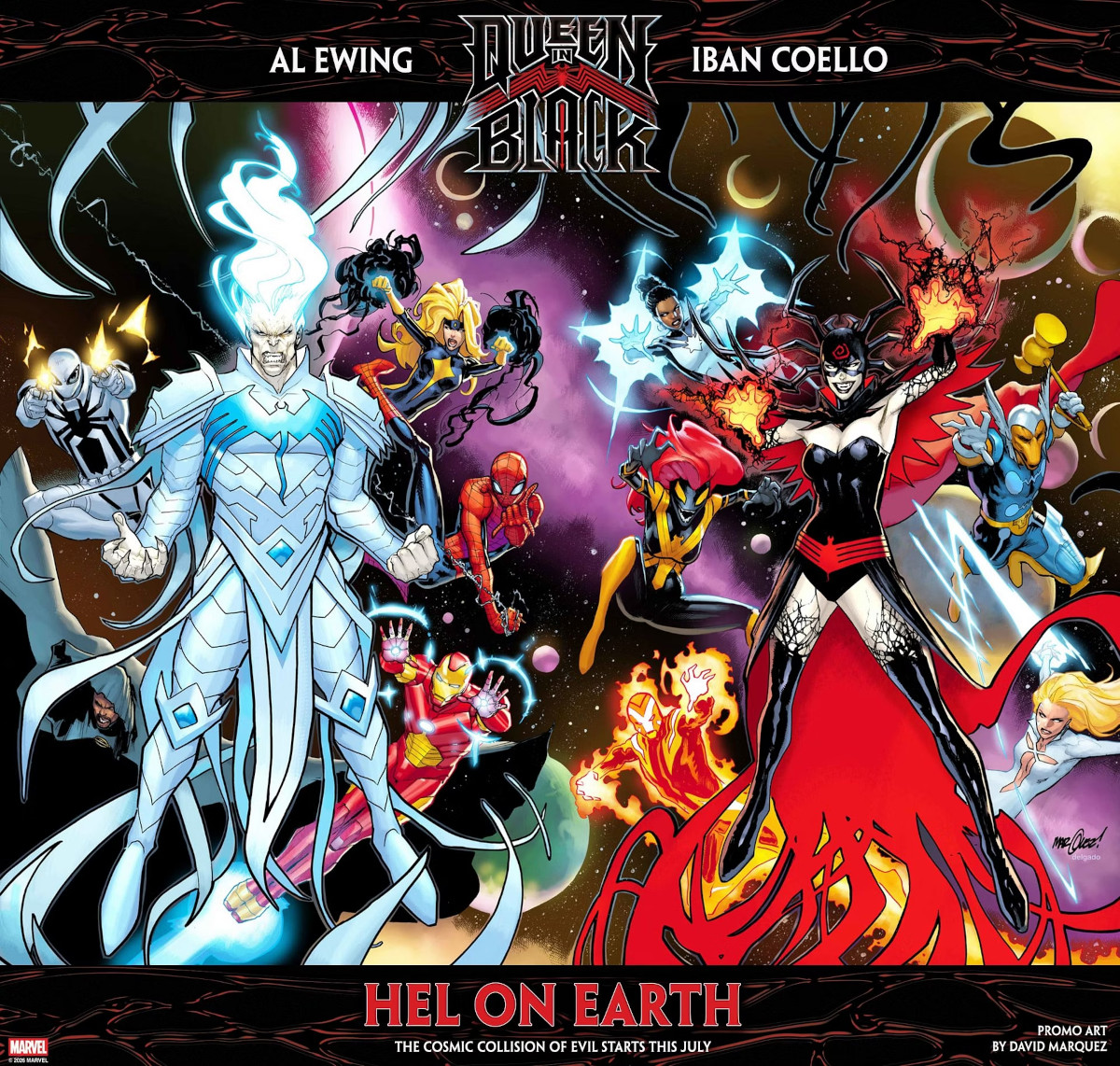
“We’ve got event clones like Age of Revelation 9 and Queen in Black, 10 the former interrupting the entire X-line for three months to launch of a bunch of minis that fell flat, the latter giving us even more symbiotes, which have become one of my least favorite aspects of Marvel lore. The symbiote characters are representative of this entire clone trend, passing the alien goo to different characters to spit out a recolored copy of Venom or Carnage, sometimes with a woman’s curves. Marvel is giving us copies of copies of copies, and it’s led to creative stagnation.”
It’s difficult to disagree with any of that, and the creative bankruptcy this implies is one of the most painful aspects of the current state of the publisher, especially considering how intentional it feels. Whether it’s the endless amounts of “Event Comic Redux” we’ve been getting or the deluge of comics set in-between familiar stories from the past they’ve been rolling out, Marvel isn’t just not delivering new ideas and fresh stories, they’re deliberately trading on the most craven form of nostalgia as a way to hook wayward readers.
That intent is where the true pain comes in, because it means that the comics aren’t trying to be more than a reminder of something else, even if the associated creators and editors endeavor to maximize the quality of each release. Marvel’s focus on creating clones of stories from yesteryear means that the ceiling for many releases is little more than an echo, and as we all know, the potency of an echo is always less than the original.
That’s not to say Marvel cannot connect with its past. Many great comics from the publisher have done that, and done so effectively. But as this critic noted, it needs to lead to more than just a warmed-over rehash of something you once enjoyed. This is the publisher that’s long loved to use the phrase “All-New, All-Different,” and if Marvel wants to get back on track, it desperately needs to embrace a future where at least some of what we’re offered is new and/or different.
Fix: “Have consistent art teams stay on books longer so people have more incentive to get invested in runs.”
Role: A veteran retailer.
Not to make this a DC vs. Marvel thing, but if there’s one aspect that the former is clearly crushing the latter on — amongst a great many things, to be honest — it’s the art side. It isn’t just the talent DC employs, many of whom are producing far better work than what you’ll find at Marvel, but how long these artists stick around on a title. DC keeps artists on books for lengthy runs 11 while Marvel’s talent often seems to be treated like tourists on titles, brief visitors who will soon head in a different direction. And this retailer pointed to one current series as a great example: Captain America.
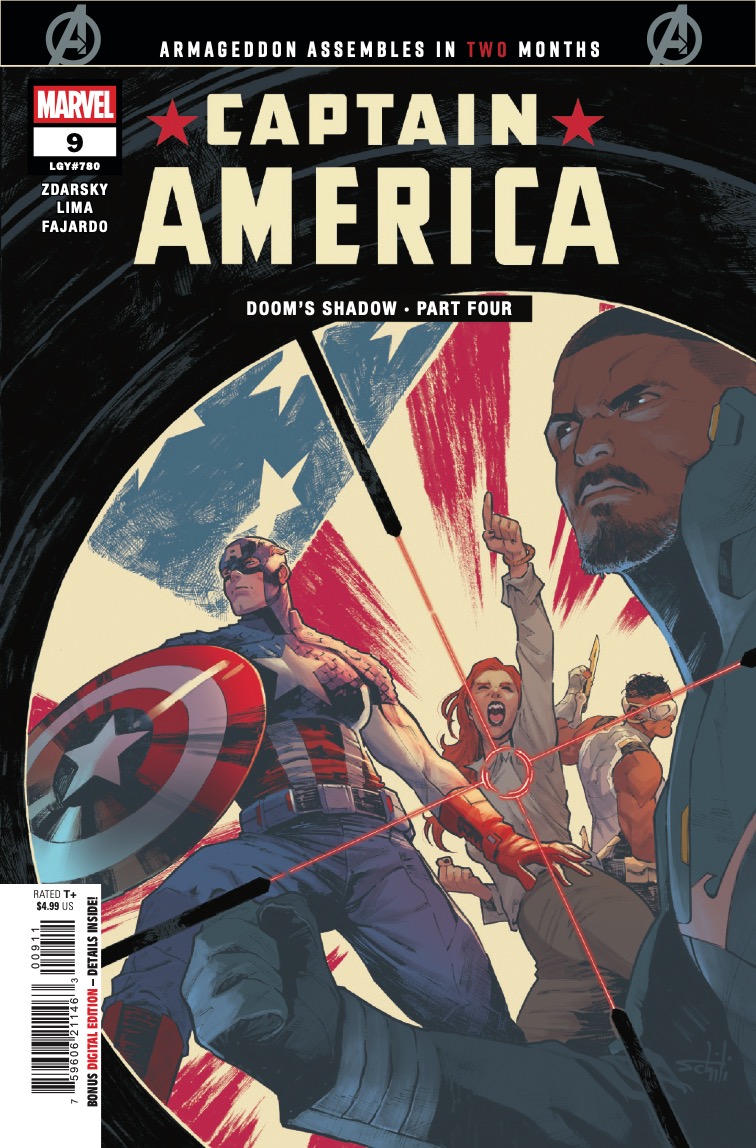
Between issues #5 and #9, there were four different artists/art teams, with Valerio Schiti working on five, Delio Diaz and Frank Alpizar tackling issues six and seven, Jan Bazaldua stepping in for eight, and Ton Lima closing the rotation with nine. While there’s a perfectly logical reason for this — writer Chip Zdarsky explained that this became necessary when it became clear that Diaz and Alpizar should work on this year’s Avengers: Armageddon event — that doesn’t make the musical chairs feel any better as a reader.
That’s especially true because it’s also not that unusual, even if it’s rarely this extreme. Marvel titles will typically debut with a bigger artist who sticks around for a few issues before bowing out, making the experience feel like a bait and switch for readers. While there are exceptions to this rule — shouts to Humberto Ramos for powering through almost the first year of the current volume of Fantastic Four — it’s rare we get those. It’s a massive turn off for readers and, as the retailer noted, a good way to disincentivize them from buying in for the long haul.
If Marvel wants readers to not just buy the first issue but issues two, three, five, ten, and 15, 12 it needs to find a better way to handle the art side of comics. It continues to act like artistic talent is fungible, or, even worse, like who draws the comics simply doesn’t matter to readers. But I can assure you that it does, and it’s having a meaningful impact on the quality of the work. That has to change for Marvel’s comics to improve.
Fix: “Respect the talent and respect the audience.”
Role: A comic creator who once wanted to work at Marvel.
Each person I reached out to was asked to share one fix they had in mind, but this creator had many more things to say than just that. They pointed to the endless #1 issues, the shuffling of art teams, the MCU synergy, the sheer number of events, the toothless comics designed to offend no one, and more. Those would all be great picks, and yet none of them were the fix they wanted to emphasize.
“At the root of it all, they drank their own Kool-Aid and thought the House of Ideas was them and not a place they built where talented storytellers could bring their best ideas.”
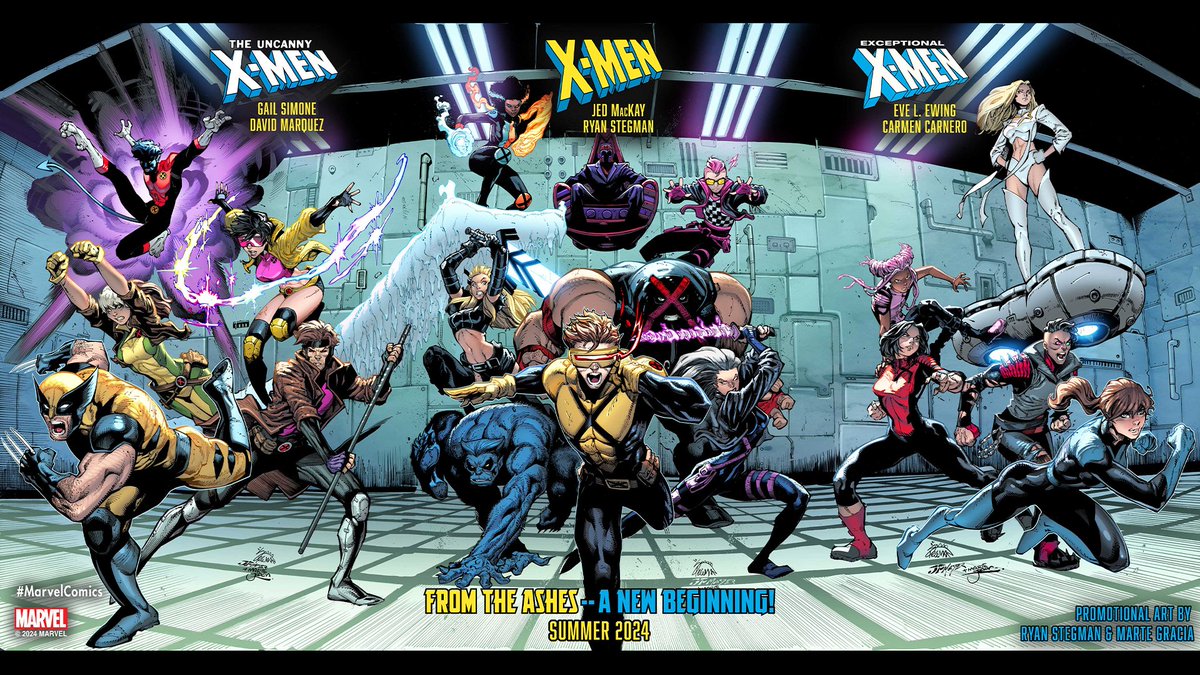
Their view is that the people running the show at Marvel think “they know better than the audience and better than the creators,” resulting in “mandated books and ideas that no one seems excited about.” The idea is that key parts of the line are editorial driven, and that’s putting a hard ceiling on the quality of these books and the capabilities of their creators. They believe the only way the publisher can solve its current problems is by trusting its talent to actually develop and tell stories, because that’s what results in the best work.
Even beyond their assertion that Marvel’s not empowering its creative talent, there’s the other side, which is that — according to them — Marvel pays less on both the front and back end than its competitors, making it less appealing to the type of creator who could really make a difference. Maybe that’s why this person said, “A decade ago Marvel was where most mainstream comic creators wanted to build careers, and now it is a place people go in the hopes that DC, Image, Boom, and Dark Horse will notice them.”
This might seem like an extreme take to you, but it’s not an outlier. I’ve heard variations of this from others before. If Marvel as a whole and their comics are going to improve, it all starts with the creators. They’re the gateway to connecting with the audiences themselves. To earn back the respect of readers and retailers alike, it’s clear that taking care of the creative talent who could — and should — guide these comics is an important step.
Fix: Commit harder and in a smarter fashion.
Role: A veteran retailer.
This retailer didn’t mince words from the jump. While they emphasized that there are still standout hits from Marvel at their shop, they said there aren’t enough, and that the publisher is committing the cardinal sin for a superhero publisher.
“Marvel is boring,” they said.
That’s a comprehensive problem, which is why their solution 13 was comprehensive as well. In their mind, there are four key things that need to happen to deliver on that fix, and it all starts with longevity, something I wholeheartedly agree with.
They believe that Marvel needs to commit to at least 36 issue runs for launches of flagship books, ranging from big team titles like Avengers and Uncanny X-Men to solo books like Daredevil and Punisher. That would be a massive change from the current “let’s give it five issues 14 and then we can talk” approach that seems to be ruling the day at Marvel, but it’s an essential one, because the current focus on endless relaunches and miniseries feels like a crucial problem. It puts a governor on how good and impactful the comics can be, and it also disincentivizes readers from investing in new titles. After all, a new number one is always around the corner! That’s bad for everyone, including, in the long run, Marvel more than likely.
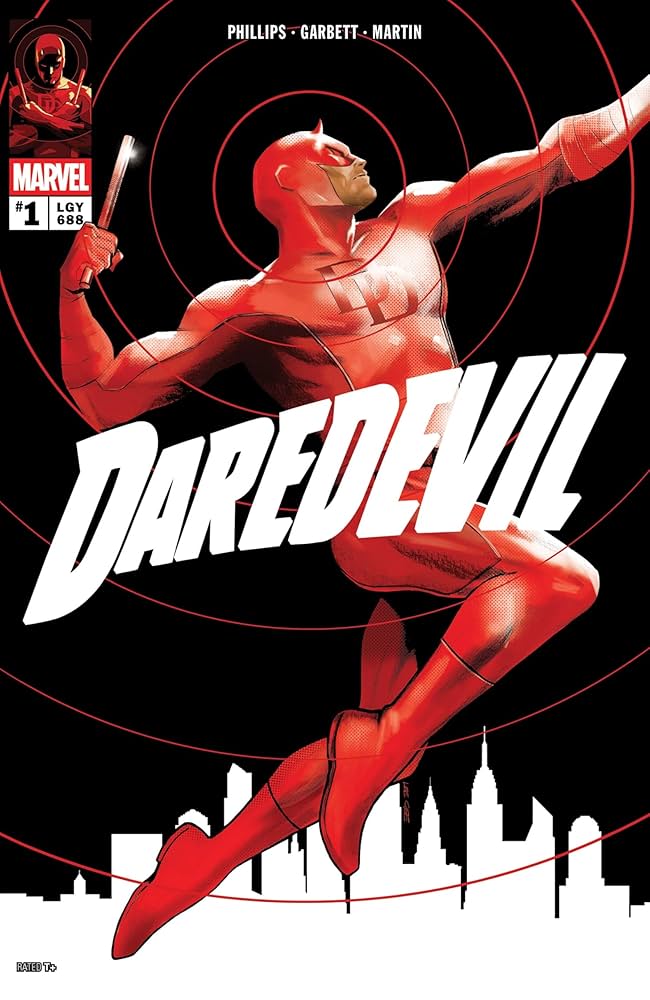
Another emphasis this retailer made was the need for stronger marketing pushes. While this is something they’ve done well historically, including with the recent launch for Stephanie Phillips and Lee Garbett’s Daredevil that appeared to have delivered a hit, it’s something that faces greater headwind after the departure of its biggest driver of marketing efforts in its Senior Vice President Print, Sales & Marketing, David Gabriel. But it still needs to be a point of emphasis, and as this retailer put it, it cannot just be for the first issue. Marvel only seems to try and sell its debuts, and for the publisher and its titles to improve, they need to offer marketing support further into the run than they currently do.
This person brought up another pet topic, and that’s the need to unify continuity. Right now, there’s little cohesion in the line. Save for Zdarsky’s efforts, 15 gone are the days where the events of one book seem to impact those of others, with the entire line feeling like an archipelago of titles that seemingly have little connection to one another. While the retailer believes lengthening runs will help with this naturally, more needs to be done to make this shared universe feel like just that: shared. Otherwise, what’s the point?
Lastly, we have something that came up in multiple fixes, and that’s the need to space out Marvel’s events and next big things. I’d argue that they’d be better off just eliminating most of these major stories, as the publisher is nearing the space of “if everything is an earth-shattering story, nothing is an earth-shattering story.” But this retailer believes that has already happened, as Marvel’s deluge of “mini-events” — there are at least five happening this year between Death Spiral, Avengers: Armageddon, Queen in Black, DNX, and Midnight 16 — results in each of them “fighting for air space” and position in the hearts and minds of readers and retailers. This retailer believes they need to be spread out so “they’re not soliciting and releasing so close to each other.”
This week’s announcement of Midnight feels like a perfect example of this. This effort that launches in August appears to be, on its surface, Marvel’s answer to DC’s Absolute line, with the press release heavily underlining language that’s incredibly similar to how Scott Snyder describes Absolute. 17 That might all be true, or it might not be, but as the retailer noted, it’s going to be difficult for it to stand out amidst a sea of simultaneous storylines that are all meant to change Marvel comics forever. Marvel’s need to give its comics breathing room is only further underlined by that announcement, as is the fact that this point is a good one.
These are all good points, though. And collectively, they reflect a need to commit harder and in a more strategic fashion. Marvel’s approach seems to be all about the spray and pray, as if they’re hoping that the short publishing windows for each and the sheer number of releases will reduce any potential downsides they might face. But in the process, they’re limiting the upsides as well. Each of those suggestions could help resolve that, or, at the very least, be part of a larger plan to do that.
Fix: Take more big swings. Or even medium ones!
Role: Me. The person writing this article. David Harper.
If you look at everything Marvel is doing, and even everything they’re not doing, it all feels oriented on doing one thing and one alone: mitigating risk. In the parlance of baseball, they’re desperately worried about striking out, so their exclusive goal seems to be making contact and hoping for the best. Maybe one of the dozens of titles or dozens of associated covers will resonate in a way that makes a difference, but even if that doesn’t prove to be true, at least they didn’t strike out, right?
But in baseball, no one remembers the ground outs or the seeing-eye singles from any given season. You remember the big swings — preferably with an electric bat flip that follows — that create a moment we’ll talk about forever. Now, ask yourself this: When was the last time it felt like Marvel took a big swing?
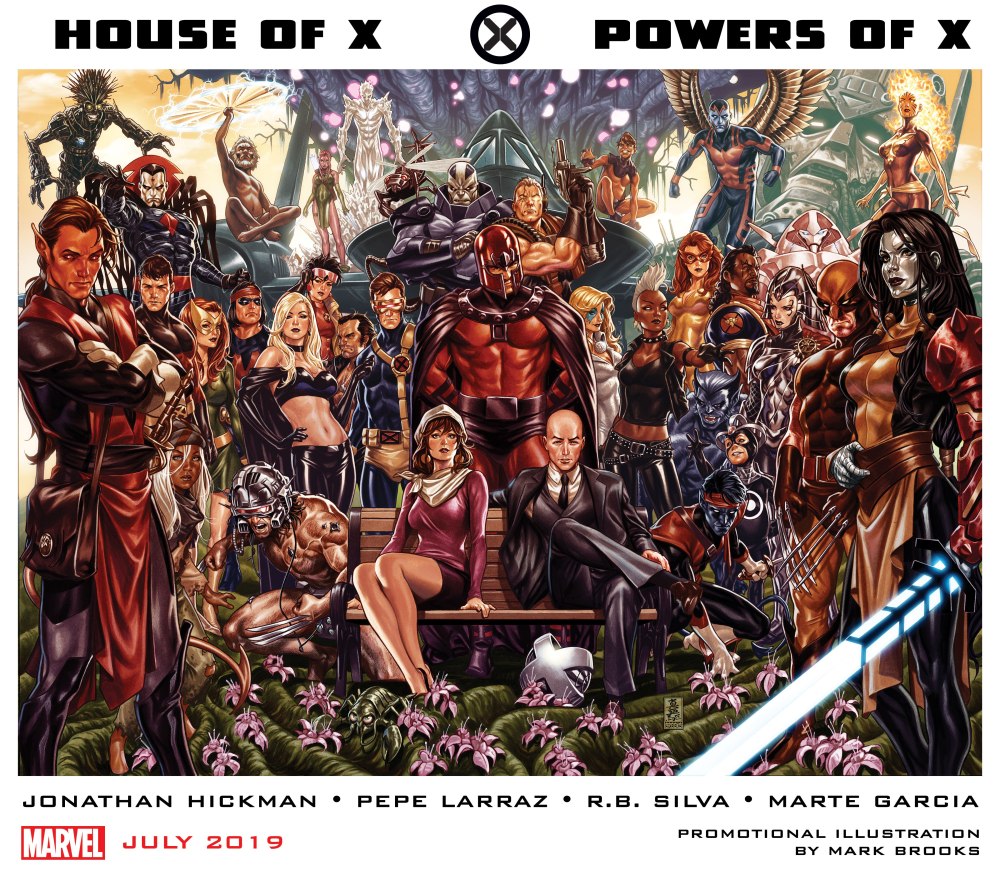
Even the current Marvel comics I like, including Chip Zdarsky’s, the current Fantastic Four series, or the larger Ultimate Universe, aren’t big swings as much as they are solid comics told well. Nothing on the horizon, including Midnight, feels that way either. Because of that, I’d argue you’d have to go all the way back to July 2019 to House of X #1 18 to find a comic that truly felt like a big swing. That’s right. We have to look back to the previous decade! That’s not great!
Nearly everything Marvel publishes feels safe to the point of meaninglessness. They don’t create excitement so much as acceptance that this is yet another Marvel comic. Which is fine! Marvel has a lot of brand appeal, and the history of the publisher is filled with rock solid meat and potatoes comics. But it’s not ideal when it’s the only flavor we get.
I have a quick subpoint, and it’s related to another fix I have. It’s just three words: Let Hickman Cook. I know his role has evolved and we’re never getting back to Fantastic Four/FF or even Secret Warriors Jonathan Hickman, but there has to be a better way to leverage his talents than a series of projects that come and go in less than a year. I don’t put this at the feet of the writer. There has to be a direction that works for everyone that allows the guy to produce his best work while having more of a universal impact than we’re seeing of late.
But back on subject, this is where I bring in the other side of my core fix, one that connects to everything we’re talking about. It’s something I’ve mentioned before: Marvel needs to act like they believe in their books. As noted, everything they’ve been doing seems designed to reduce risk, and in the process, they’re showing very little belief in the actual stories they’re telling. It extends beyond that, though. Through their obsession with miniseries, putting the bulk of their marketing focus on products like variant covers, and the constant churn of creatives, they’re telling everyone outside the company that they know how to pull the right levers in the direct market but they aren’t interested in building actual excitement in stories anymore — or, perhaps even worse, that they don’t know how to build excitement in stories.
This has created an environment where many of the readers, retailers, and other stakeholders in the direct market have lost faith in what the publisher has to offer. Marvel seems so desperate to not fail that they’re limiting their own ability to succeed, and everyone knows it — well, everyone besides the publisher itself. And until that changes, until Marvel shows that they’re willing to take bigger swings with books and give the stories that are being told the support they need rather than putting all the weight they have behind each title’s variant programs, it’s hard to imagine this downward spiral stopping any time soon.
If you enjoyed this feature, maybe consider subscribing to SKTCHD for more like it. My Eisner Award nominated subscription comic site costs less than one comic a month, and it gets you fully independent, ad-free writing about comics every week.
Cue comic podcaster Zack Jenkins nodding his head.↩
I’ve tried many more than that. Those are just the ones I continued with.↩
The gossip about Marvel is hot and heavy, and it’s typically filled with some wild conjecture and takes — you truly have no idea — very little of which is suited for print.↩
Each of whom shared their feedback anonymously.↩
This is why I have a lot of sympathy for the folks who work there, who earn a lot of blame but are operating in conditions few of us really understand. The people I know at Marvel are smart and care about telling good stories. They’re not all trying to ruin our lives, I swear!↩
And this was before the announcement of Midnight, which boggled their mind.↩
Or “timed,” as it may be, with many of them often coming too early or too late.↩
It’s probably just a coincidence that the MCU itself started feeling painfully stale when Marvel’s comics did the same, but it’s a notable one, nonetheless.↩
Which echoed Age of Apocalypse.↩
Which followed King in Black.↩
At least relative to what is considered a lengthy run in 2026.↩
And the latter number is certainly in question given how long Marvel titles tend to run these days.↩
Which was not actually what was said above. That was my attempt at summarizing their more robust take.↩
Or sometimes just one.↩
Which are deliberate and commendable.↩
And I honestly might be forgetting one or two.↩
“Creator-owned sensibilities.” “Creator-driven storytelling.” “Boundary-less.”↩
As well as the rest of House of X and Powers of X, and a whole lot of Krakoa that followed.↩