
Shifting Focuses, Future Favorites, and Comic Comebacks: It’s the March/April Mailbag Q&A!
Hoo boy, I asked for questions from you fine folks for the latest Mailbag Q&A, and you delivered. There’s a lot to get to, so let’s dive straight into it because there’s a whole lot of reading to do.
Now that you have moved to comics journalism full-time, do you find any increased pressure (even if just psychologically) to spend more time covering commercially successful properties (e.g. DC’s Absolute, Marvel’s Ultimates, etc.) for the attention? – Eric Marcotte
If I was a smarter person, I’d say, “Yes, Eric, I absolutely have shifted my model. Now that I’m trying to make a living from my work, I’ve leaned into the things that bring in the biggest possible audience, strategically boosting my visibility and generating more subscribers, listeners, and viewers in the process.” That’s what I’d say if I was smart.
But I’m not.
So, instead, my answer to this question is the same as it always has been (although it’s rarely been asked): I feel zero pressure to spend time covering anything, and if I did, I wouldn’t care anyways. I do what I do. That’s the entire point of SKTCHD and Off Panel, in a way. They’re me, through and through. Could I generate more views on YouTube if I created new videos each week with my shocked face greeting viewers in an image covered with text that says, “Why Absolute DC’s success means Marvel is a disaster!”? Sure. Would I earn more money with what I do if I just focused on the biggest names and the biggest successes? Maybe!
But it’s also possible it would turn off the people who happily support me now, and more importantly, I wouldn’t enjoy it. The key to me succeeding with SKTCHD and Off Panel is continuing to find my own angle and having fun with what I do. As soon as my site and podcast become what other people want, they lose all purpose, and more than that, I wouldn’t want to do them anymore. So, there’s no pressure, and if there was, I wouldn’t respond to it anyways. That means that everything you see on the site only exists because I care about it, which is the way it has to be, for better or worse.
Looking into your comics crystal ball, what are the five comics that are currently being published that folks will still be talking about (for better or worse) in 2076? Assuming we’re not all driving gas trucks through the deadlands by then. – Bryan Stratton
Currently being published is tricky because if we’re talking about graphic novels, once they’re out, they’re done being published, so your phrasing suggests this has to be a serialized comic. However, because I am nothing if not thorough, I clarified with Bryan over email that my picks can be anything, including graphic novels. So, to make sure I do this in a way that feels right, I’m going to restrict my picks to titles that have come out in the past year to feel somewhat accurate, and I’m not going to just pick Batman or Amazing Spider-Man, as they feel too easy because of how long they’ve already been published. Also, I want to note that it’s very possible that very few of these will actually make it, as 50 years is a long time!
With all that out of the way, my picks are:
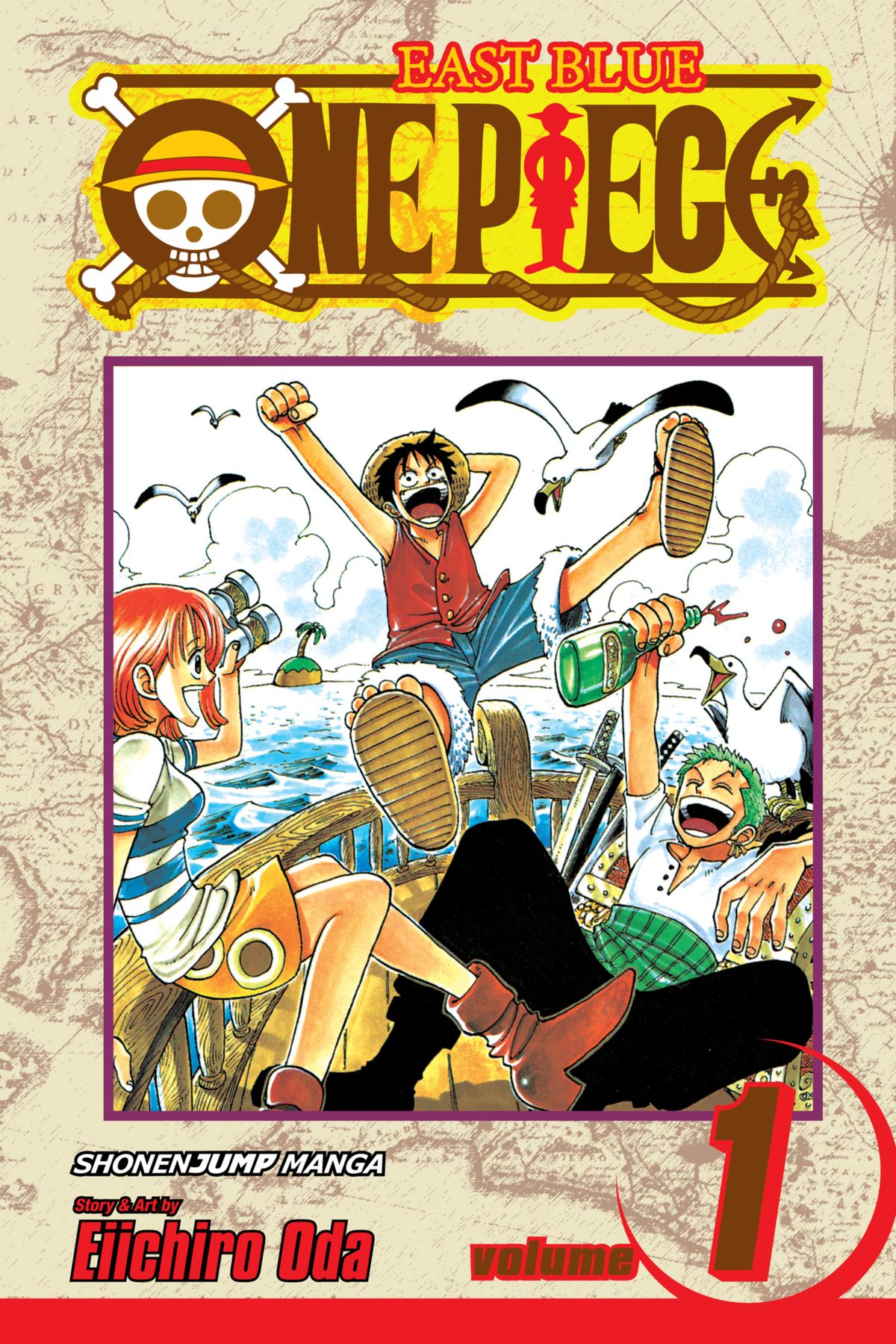
- One Piece: Not only will we still be talking about it, Eiichiro Oda will still somehow be making it!
- Lore Olympus: Built from a myth and told in a way that doesn’t set it to a specific period, it feels like something that will speak to multiple generations (and technically it ended in 2024, but its final collections were published in 2025 so I’m counting it!).
- Assorted Crisis Events: By then, it’ll just be considered a documentary, but this one feels like it could be eternal.
- Hirayasumi: This might be wishful thinking, but when the anime hits in July, I fully expect Hirayasumi Mania to take over the world.
- Beetle Moses: Another one that might be viewed as wishful thinking, but we already know successful comic strips have a tendency of having unusually long lives relative to comic books and graphic novels. For example, many of the comic strips from the 1980s still resonate. I could see Beetle Moses doing the same, especially once it starts getting collected in books and discovers a different audience.
In honor of my beloved Jayson Tatum, what are some of your favorite comebacks in comics? This could be a character, an artist, a writer or a title. Just some sort of return that you really enjoyed and were happy to see. – James Kaplan
Jayson Tatum’s comeback truly has been unbelievable. I thought the Boston Celtics superstar forward was talking a big game when he kept saying he’d be back this season, and then…boom. He’s back, and he’s pretty much Jayson Tatum again. His recovery from tearing his Achilles gives me great hope for the Indiana Pacers’ upcoming season (but not as much as keeping their top four pick would), because it makes me very, very hopeful that Tyrese Haliburton will return in a similarly healthy fashion (even if it’s been waylaid by shingles).
Anyways…comebacks!
Writer comeback is easy. While it wasn’t a huge gap, there was a period between Ex Machina and Saga when Brian K. Vaughan wasn’t making comics (at least ones we could read), with his focus largely shifting to TV projects like Lost and Under the Dome. I missed the guy, to the point I once wrote an article on Multiversity Comics called “Whatever Happened to the Writer of Tomorrow?” where I shared my feelings about the perceived loss of my favorite comic writer. So, when he returned with Saga, it was a massive moment for me and for comics. It’s impossible to prove, but I feel like his absence preceding Saga played a role in why that title proved to be such a hit.
Artist is tricky because the focus for so many is on keeping the work coming. Artist absences are much, much rarer. There’s one massive exception to that rule, and that’s David Mazzucchelli. There was a 15-year gap between his last two major projects in Paul Auster’s City of Glass (in 1994) and Asterios Polyp (in 2009). He’s my all-time favorite comic artist, so when he returned with Asterios Polyp, I could not have been more excited. Of course, now I’ve been waiting for 17 years for another full project, and I might be waiting forever for all I know. But I think that’s part of the reason his comics feel like such treats.
Title, Runaways when it came back with a new run from Rainbow Rowell and Kris Anka. It’d been eight years since an in-continuity Runaways title had hit, and it was such a delight when it returned, both because I missed it and because Rowell and Anka nailed it.
Character, I’m going with Wolverine when he got his adamantium back, which was huge for me, when Wally West returned in The Flash’s Terminal Velocity after his apparent death (it was a quick absence but I felt it), the return of Bucky in Ed Brubaker and Steve Epting’s Captain America, and honestly, just all the post-Death of Superman and post-Knightfall stuff. I was very, very invested in that period where Superman and Bruce Wayne were taken out and replaced in the early 1990s. I was also, like, eight.
How do you feel when you’ve read a comic ‘quickly’? What is your typical comic reading speed, and does it influence which comic you pick next to read such as picking something you know is a fun quick read after something heavier? – Jack Mayo
The first question is a tricky one because I don’t have one uniform reading speed. The reason for that is the comic itself dictates how fast I read it. More than anyone, an artist controls the pace of an issue, with the writer also contributing through how dense the script is. So, if a comic feels like it’s designed to be read fast in a thoughtful and effective manner, then I like reading comics quickly! If it doesn’t feel like that, then I like it considerably less. It’s a sliding scale for that reason, but I’d never look at how quick a comic is read as a universal positive or negative. It all depends on intent!
I will say, I know creators who hate, hate, hate when their comics are described as a quick read. I understand why. Fundamentally, people want their works to be dug into. They don’t want to think their month plus of work led to a five minute and done read. But I will say this about how I approach comics. If I read a comic quickly and it was filled with great visuals, I’ll often reread it and dig into the art to a greater degree. I find that great “quick” reads often result in rereads.
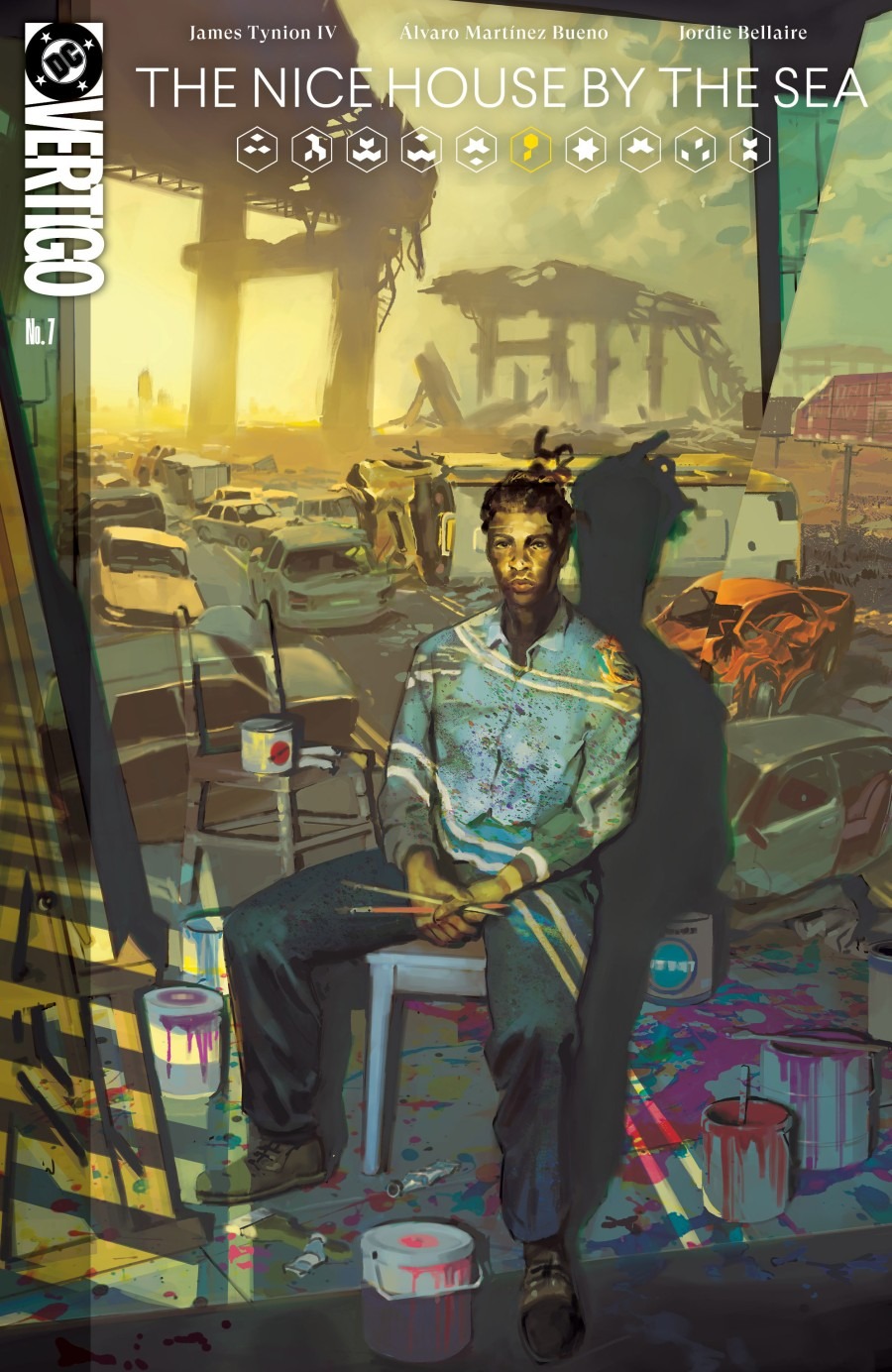
All that said, read speeds definitely impact which comic I read next. Sometimes that’s mood based. Sometimes that’s based on changing my pace in the way you note, as it can be nice to mix things up by going heavier after a fast one or vice versa. But quite often, my choices will be dictated by “How tired am I?” If I’m reading one more comic before going to sleep, you can be sure I’m not going to read something like The Nice House by the Sea because it’s just too dense for a moment like that. That’s a kickoff read, something I pick up while I’m maximum levels of awake. So, your hypothetical is real: I do choose what I read based on projected speed of read, at least to some degree.
My local comic shop will be closing later this year because the owner is retiring. It’s got me thinking bigger picture about my own comic buying habits, and if I want to switch to the unlimited apps for Marvel and DC, and trade-wait most indie series. What I’m struggling with is psychologically, whether I want to shift to just not being up-to-date on what’s going on in comics anymore, particularly superhero comics. I think I’d miss being current, on the other hand I might also be getting a little bored of superhero comics. Any advice on making this decision, or making a reading change more broadly? – James Kaplan
Not to cop out of giving you an official answer, but this is an extremely personal decision. You have to weigh the options and what you value and build your answer from there, because what matters to me is naturally going to be different than what matters to you.
That said, based on what you’re saying, my advice would be to switch to the apps and trade-wait with the rest. It sounds like it’d be beneficial for your reading experience, particularly on the superhero side of things, and I imagine you’ll get more joy out of reading in chunks. It also might help you curate your experience a bit more. Honestly, being current is overrated. I read in single issues, and quite often, I’m still reading comics much later than the week of release. It doesn’t impact things! It’s fine to read later! And to do so in a way that will improve your reading experience while also saving you money, probably…well, that’s the sweet spot.
I should note, one other thing to note, just in case it’s a factor, is while I’m sure every creator would love it if you read single issues and pre-ordered everything to ensure you make the maximum impact on the fates of their books, what they want more than anything is for you to stick around and to keep reading comics rather than quitting altogether. If you find that your current setup is harming your interest in reading anything, find the answer that fits you and maximizes your joy. That promotes longevity and a better relationship with comics overall. Whatever that is, that’s the best answer.
subscribers only.
Learn more about what you get with a subscription