
The Two Sides of Comics Are in Balance (For Now)
Readers and speculators often exist in conflict. What this snapshot of the moment in the direct market posits is, maybe they aren’t right now?
Shawn Kirkham was surprised.
The online comics retailer known as Big Clutch had just returned from a massive signing for a rather en vogue cover artist, one who earned a multi-hour line, and his phone was blowing up with questions from me about that event. Scrolling through the texts, Kirkham came across an admission from me, someone who is typically on top of what’s happening in the world of comics, that floored him.
I had no idea who this artist was.
That’s when Kirkham said something that’s stuck with me ever since.
“It shows that there’s two sides to this industry,” Kirkham said.
There’s a reason that line hasn’t left my brain: Kirkham is absolutely right.
There are two sides of the direct market, or the part of the comic industry comprised of a couple thousand comic shops. You might already know what they are, but in case you don’t, here’s a quick breakdown.
- Readers: The customers who go to comic shops for the explicit purpose of engaging with the narratives of the stories they’re buying, whether that’s in single issue, trade paperback, or graphic novel form. These customers often collect and will even get comics signed or graded on occasion, but it’s just because they enjoy the stories and want to keep them around in whatever their most desired form is.
- Speculators: The customers who are looking to acquire one or multiple copies of a comic — with the multiple copies usually coming with different variant covers — and it’s often to sell while the product is hot. If they can, they’ll get said comic signed or graded to enhance its value. That doesn’t mean they don’t read the comics. They sometimes do. But they celebrate the medium in a different way, and it’s typically via the thrill of the chase, as well as for the satisfaction of turning something into something more.
There are many similarities and differences between the two sides, and that’s because as much as we enjoy putting people into tidy buckets, these two sides greatly overlap — and occasionally do so entirely. 17 That’s especially true when it comes to the concept of “collectors,” which might sound like a third group, but instead, it resides at the intersection of the two sides in their collective Venn diagram.
That said, the most intriguing part about that conversation with Kirkham wasn’t that these groups exist; it was how it emphasized that the value system of the former is different enough from the latter that the most important creators and even titles for each typically diverge. That’s how someone like me, a reader through and through, can be unfamiliar with the work of someone like Mark Spears or Dan Quintana outside the base knowledge that they exist even though they’re sparkling gems of the speculator space.
Despite that divergence, it’s entirely possible that if you know about these two sides, it’s because you have experienced the conflict that can arise between them. It isn’t a physical conflict, of course. We’re not engaging in fisticuffs over a certain comic or cover. 18 It’s more a conflict of desires, as the speculator audience tends to buy up as much inventory of certain titles as they can, which means there often isn’t enough available for readers. This is why you’ll see many shops limit the number of copies a customer can buy when a title has clear speculator heat. They want to spread the wealth, ensuring the maximum number of customers are happy in the process.
But when that conflict arises, when the supply is outweighed by the collective demand, prices go up in the secondary market and readers don’t necessarily get to read everything they’re interested in. That can be a problem for readers, and it often has been in the past. 19 20 Perhaps more importantly, though, it can also be a problem for the direct market itself, as the moments where this conflict is at its greatest often prove to be unsustainable bubbles, with inventory being eaten up by the customers that are eager to buy a number one but not everything that follows.
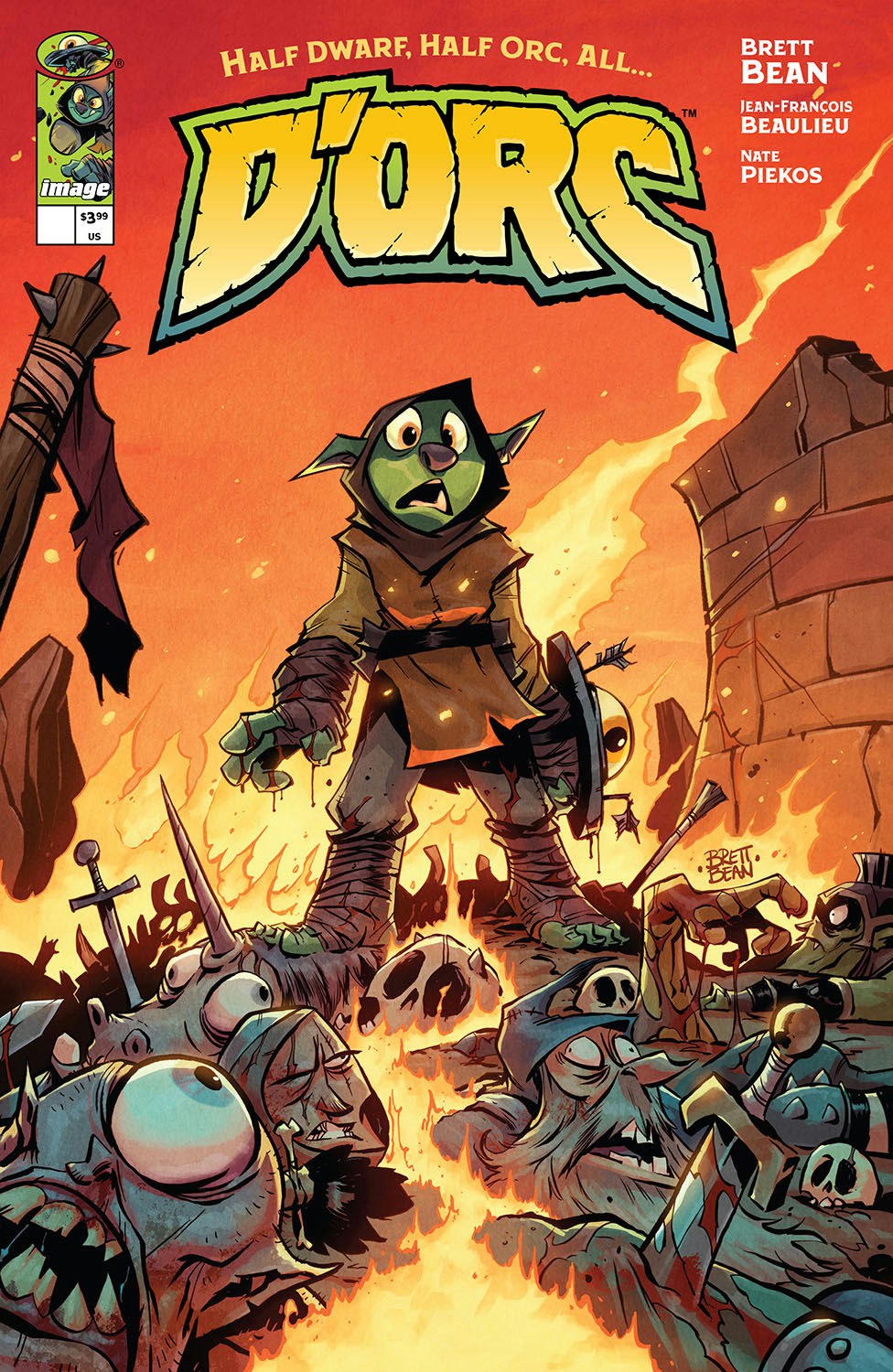
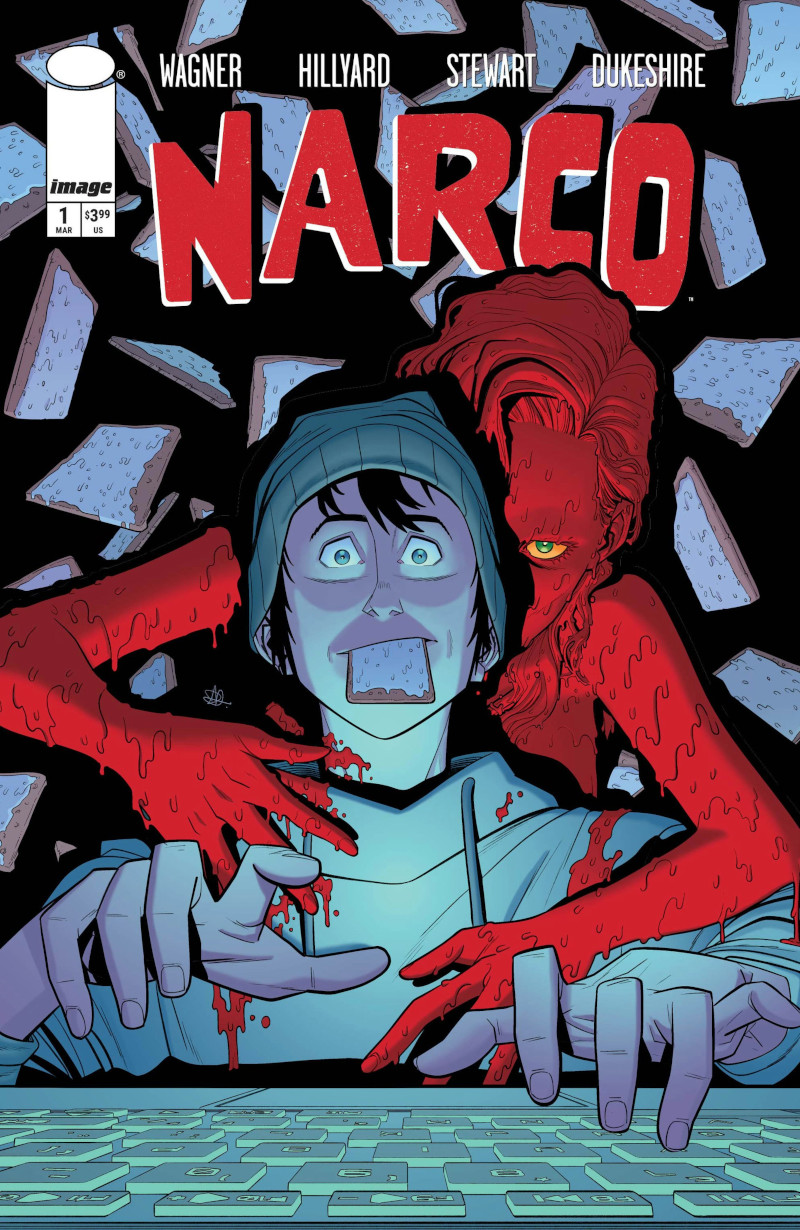
One might think this period we’re in, one where shops were doing great in 2025 but seem to be doing even better in 2026, 21 is one of those bubbles. After all, there are real concerns that the boffo sales shops are seeing is propped up by temporary heat tied to Absolute Batman and a slew of speculator darlings in D’Orc, White Sky, Tigress Island, and beyond from earlier this year.
You might think that, but that isn’t the feeling I’ve been getting from shops.
Quite the opposite, in fact.
Based on the conversations I’ve had — both before I started to put this article together and after, which were with retailers and publishers alike — we’re in a moment where the two sides, the readers and speculators, are in balance in a way that’s quite unlike any other time I can remember from my 17 years of writing about comics.
That’s not to say both sides are equal. Retailers repeatedly emphasized that this sales surge has been driven by readers, particularly new ones who stormed shops looking for Absolute Batman and have found so much more. But the belief seemed to be that both the reader and speculator sides of comics are…happy? Excited? Satisfied? And, perhaps most of all, not negatively impacting one another, with the two sides operating in harmony in a way that’s occasionally been found on certain titles but rarely across the entire market.
And that is a very curious and promising thing.
subscribers only.
Learn more about what you get with a subscription
For example, I’m 100% a reader, but I still collect comics and I’ve even sold comics before, although it’s not in the same way speculators do.↩
At least not typically.↩
A good example of this was Wolverine #6 (Vol. 7). It was part of X of Swords, a X-Men crossover I was reading. It was the first appearance of new Wolverine villain Solem, and within ten minutes of my shop opening, speculators had bought up every copy, which meant my read had a gap in it because I arrived 11 minutes after open.↩
That character was positioned as a big deal at the time. He hasn’t appeared in any Marvel comic in more than a year and only 15 times total outside of X of Swords, which underlines the occasional folly of speculation.↩
At least based on my conversations.↩
It’s both good and a tight micro line, which meant readers had everything they needed in one place, really.↩
Well, everyone but Marvel, it seems.↩
Like Manage Comics and Comic Shop Assistant.↩
Even speculators are doing so, according to some shops.↩
See: MIND MGMT: New & Improved #1 received a second print announcement more than a month before the first print was even released, meaning its release day will have both first and second prints available to customers. That’s a first for me!↩
Incredibly, that issue has its sixth printing arriving in shops on June 24th, which is wild.↩
Retailers said readers weren’t quite as keen about something like White Sky, as just one example.↩
Particularly at signings when early bird speculators show up with wagons filled with comics for a creator to sign, which turns the entire event into a slog for the people who just want this cool writer or artist they love to sign one or two comics.↩
Multiple shops noted that DC would be wise to dial back the number of covers (particularly store exclusive ones) on that series, as some think it’s becoming far too much.↩
And why wouldn’t they be?↩
They’re rare, especially of this size, but they happen enough for veteran retailers to have some idea of what happens with them.↩
For example, I’m 100% a reader, but I still collect comics and I’ve even sold comics before, although it’s not in the same way speculators do.↩
At least not typically.↩
A good example of this was Wolverine #6 (Vol. 7). It was part of X of Swords, a X-Men crossover I was reading. It was the first appearance of new Wolverine villain Solem, and within ten minutes of my shop opening, speculators had bought up every copy, which meant my read had a gap in it because I arrived 11 minutes after open.↩
That character was positioned as a big deal at the time. He hasn’t appeared in any Marvel comic in more than a year and only 15 times total outside of X of Swords, which underlines the occasional folly of speculation.↩
At least based on my conversations.↩