
Nick Dragotta was Built for this Moment
Absolute Batman is a sensation, and its artist — and all his work that preceded it — is one of the main reasons.
Mike Allred was a staple in comics, a well-respected cartoonist whose independent creation Madman made his work beloved amongst those who knew it, and that was almost everyone at this point in the early 2000s.
When you’re an artist of that stature, you often can get what you want. That’s why Allred admits he was “very selfishly only using my pals whose work I loved for fill-ins” up until that point, but who can really blame him with friends like Darwyn Cooke and Duncan Fegredo? So, when his editor on X-Statix at Marvel, Axel Alonso, suggested a “new upstart” as a fill-in for that title’s 20th issue, he wasn’t sure.
“I didn’t even want to consider someone I didn’t know,” Allred said. “(But) Axel pushed hard with a ‘Please give his stuff a look. There’s something special there.’”
So, he did, and Allred understood.
“There was a raw, unique energy to what I saw,” the cartoonist shared.
“Nick (Dragotta) was an absolute outlier.”
This was before Absolute Batman, before the towering sales, before the award nominations, before East of West, before everything. It was Dragotta’s very first project as an artist, and Allred knew how special he was right then and there.
But that’s Nick Dragotta for you.
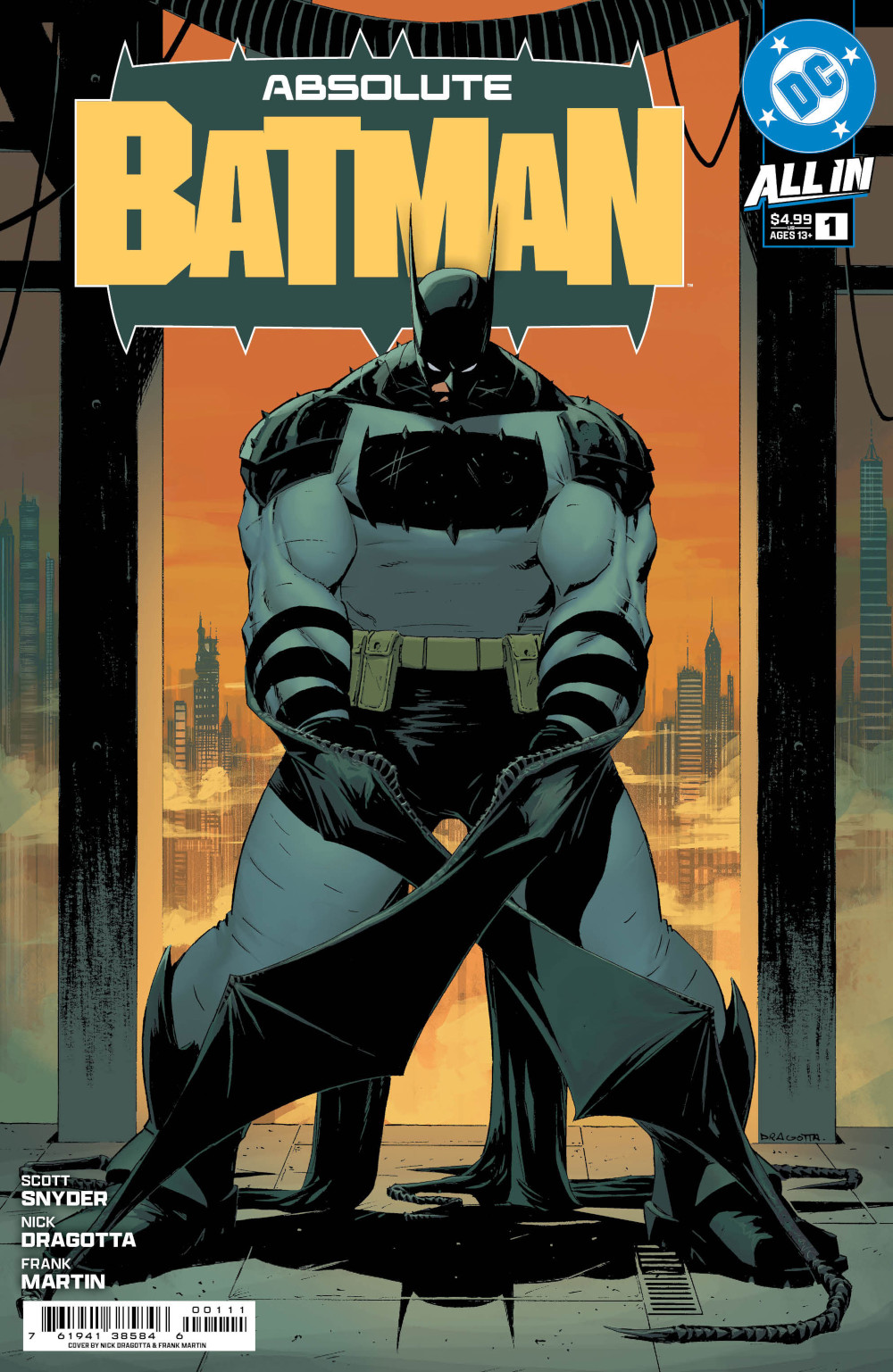
To know him is to understand why his craft is undeniable, how his drive to improve is insatiable, and, honestly, what a genuinely good guy he is. Even though he’s one of the biggest names in comics at this point, Dragotta is still himself, both as a person and artist. And as those who know him shared, he’s simply one of the best to ever put pen to paper in comics.
“Nick’s a world class artist and no one operating at that level doesn’t have some fundamental or stylistic tricks that make them visually unique. So, Nick obviously has that in spades,” East of West writer Jonathan Hickman said. “(But) he always — always — tells you a good story.”
“Nick does not bog the reader down in detail that doesn’t serve the narrative arc,” shared cartoonist Daniel Warren Johnson. “He has a mission, a story to tell, and he knows exactly how many lines that takes. It’s the sure sign of a master engaged in their craft, well ahead of the pack.”
“There are things that you can push and things you can’t, a limit to how far you can go. Nick has figured out the cheat code or something, because his worlds always make logical sense, even when he’s leaning into cartoony action or proportions,” added Dragotta’s Good Devils: Don’t Play Fair with Evil teammate David Brothers. “There are very few people approaching comics like he does today.”
While Absolute Batman, his series with writer Scott Snyder, colorist Frank Martin and letterer Tom Napolitano, has made the artist a sensation, his art rep Felix Lu of Felix Comic Art noted that it didn’t change his art as much as it increased its visibility.
“Absolute Batman has simply given his art the platform to be seen by everyone,” Lu said.
He’s right. Dragotta’s long been a great artist, one grinding his way through a comics career even if he was delivering potent and impactful work throughout. While Absolute Batman may have made him one of the biggest names in comics, his path to the top was a long and winding road, with plenty of stops and starts along the way.
But that’s okay.
It was all necessary for Nick Dragotta to become the era defining artist he is today.
Dragotta’s story begins in Cape May, New Jersey, and from the beginning, he was surrounded by art. His mother’s family was filled with artists, including his grandfather — who painted — and a “master etcher” uncle in Mark Whitcombe. One could say art was in his DNA, but it was more than that. It was a passion from the very beginning.
“My parents had this massive, oversized Norman Rockwell book, and I remember getting lost in it,” Dragotta said. “That’s probably one of my earliest memories.”
His affinity for art didn’t stop as an observer; he immediately became an artist himself.
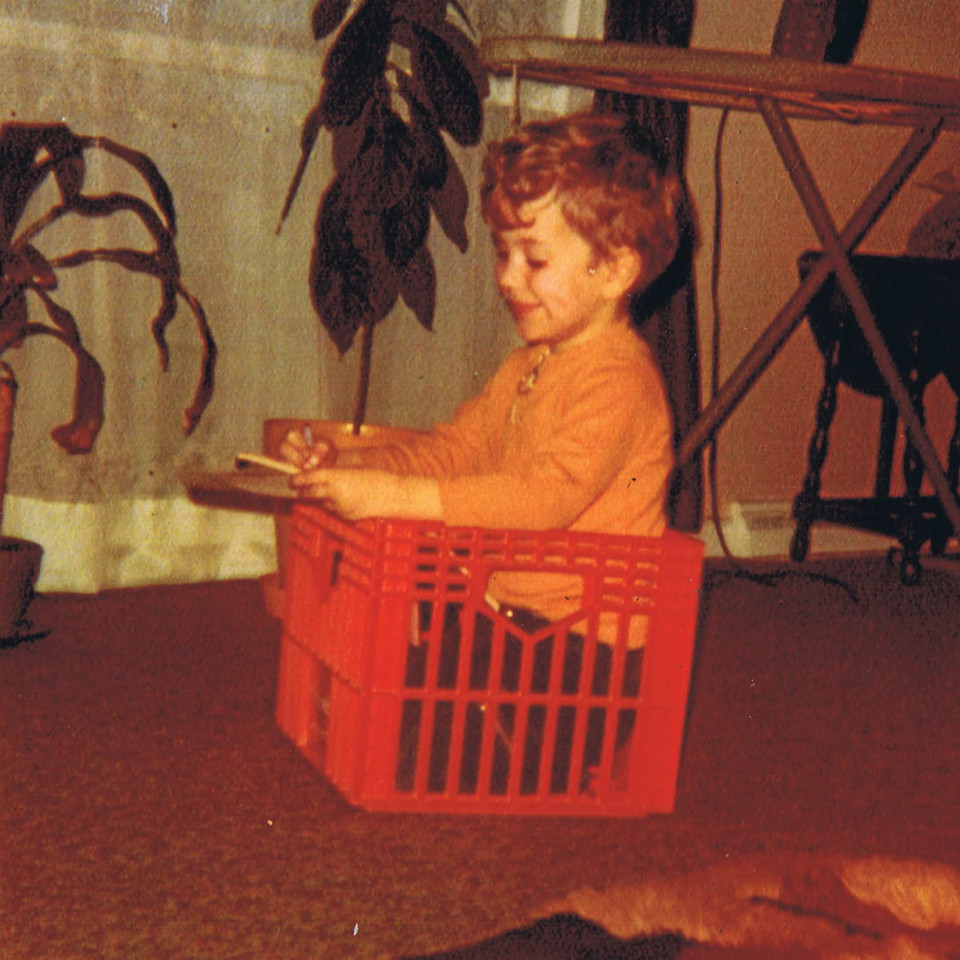
“I would draw all day,” Dragotta said. “My mom has pictures of me when I was small enough to sit in a milk crate, and she said I would sit in it for hours just drawing.”
His love of art intersected with comics in kindergarten. Growing up in a “special little town” like Cape May, one known for its chill vibes and flurries of summertime visitors, made it easy for Dragotta to walk to a nearby bookstore that had a spinner rack awaiting him.
“They would let me sit on the floor and just pull out comics and read them,” Dragotta said.
Diving deep into Transformers, G.I. Joe, X-Men, and more, Dragotta quickly fell in love with the marriage of art and writing comics offered. While the visuals resonated first, it was the merging of everything that really wowed him. That passion carried onwards, but there were a couple key discoveries that made him start thinking of making his own comics. One was a staple for many aspiring artists.
“I got How to Draw Comics the Marvel Way super early. John Buscema did that beautifully, but it should be called How to Draw Comics the Jack Kirby Way, because it was really based on all of Kirby’s storytelling philosophies,” Dragotta said. “Of course, John Buscema’s drawing in that book is perfect. It’s really trying to capture the essence of a character.”
As he got older, the comics he read continued to expand, and a big moment was the arrival of Image Comics in 1992. 1 Seeing what those artists did lit a fire under him and even inspired him to start thinking of making comics as a career.
But for as much as he loved drawing, his teen years almost led him in a different direction. Dragotta only went to high school freshman and sophomore years, instead going to vocational school during the remainder. Part of his day was spent learning architectural drafting, and throughout the rest, he was earning credit by working at a chemical glassware factory, Chemglass.
“I started making okay money,” Dragotta said. “I was young and I was like, ‘I guess I could do this for a living. This is kind of cool. Everyone’s nice here.’”
His mind always wandered back to art, though, with Dragotta often “drawing comics in the margins while I should have been working.” Boredom with his day job started to set in, and seeing the success of Image creators made him realize, “I guess you can make a living at this.”
It helped that he knew he had some level of artistic talent thanks to the wins he had along the way. Sometimes that came in a more traditional form, like when he won an art award in first grade that earned him 20 silver dollars. Others were a bit more unexpected, like when he managed to make one of his high school classmates throw up in health class with a rather convincing drawing of a compound fracture he did on the chalkboard. His early life was filled with recognition of his gifts, something he believes is important for any artist.
“I think a big reason we become artists is the love and attention we feel from it, especially as a kid,” Dragotta said. “I’ve always had these little victories with my drawings that were constant reinforcements.”
He continued to learn as well, with one person in particular helping him early on.
“Right out of high school, I went to the local college called Glassboro State, and I had one of the best art teachers I’ve ever had in my life there in Daniel Chard,” Dragotta said.
Chard made him think of art in a completely different way, both through how he taught and the inspirations that were introduced in that class, particularly when the teacher took the class to a gallery show in New York City. It was a far cry from the “quieter farmland area” he was living in at that point in South Jersey.
“That was such a formative class for me because he gave me that confidence to be like, ‘You could do this if you put the work in,’” Dragotta said.
So, he tried. He assembled a portfolio, one that included cover recreations, 2 some original comic pages that were “so bad,” and pinups inspired by Jim Lee and Rob Liefeld. It wasn’t an immediate hit.
“There was one art school in Philadelphia that looked at it and they were like, ‘Kid, you have to draw shoes. You have to draw still-lifes,’” Dragotta said. “I was so far removed from what a real portfolio needed to be.”
It was around the age of 18 when Dragotta took that same portfolio to a comic convention in Philadelphia, one that featured his heroes in the Image founders as guests. While he never met them because “the lines were so insane,” he came across a table in Artist Alley for a school called Savannah College of Art and Design, or SCAD, which was just opening its sequential art department. Managed by one of the school’s professors in Bob Pendarvis, Dragotta stopped by the table to show the teacher his art.
“I had my packets with me, and he was like, ‘Let me see,’” Dragotta said. “He was impressed, and said, ‘If you come to our school, I think you can get a scholarship.’”
“And I was like, ‘Whoa. Okay.’”
You’d think going to a renowned art school like SCAD would be a seismic moment in an artist’s journey, and it was.
But maybe not in the way you think.
While the school certainly helped — particularly teachers like Ben Morris, someone Dragotta did a three-week study abroad trip with to France and Italy, where the artist learned crucial lessons like “what to leave in or out of a drawing and what a fine line that is” 3 — Dragotta described his SCAD experience “like a four-year vacation,” albeit one he earned a BFA in Sequential Art during.
“I don’t think I really learned to draw comics until I got out of school. I got by on my talent and I put work in, but you struggle,” Dragotta said. “I couldn’t draw like the creators I liked.”
The artist recalled being frustrated by his inability to achieve the “understanding of perspective” or the “mastery of anatomy” he wanted to see in his art at the time. 4 But he did learn something important while at SCAD.
“It’s almost like at school you learn, ‘This is the shit. If you want to do this, you better learn this at some point,’” Dragotta said. “And you learn it by nailing your ass to a chair.”
And he did. He described himself as “very serious” while at SCAD, and one of his classmates in comic colorist Brad Simpson agreed. Simpson was there as a painting major, and he said Dragotta was always focused on his craft — “especially by the standards of SCAD at the time.”
“It was a free-for-all. It was a wild place and a wild class of young people. Dorm life was especially crazy. We lived in this old, renovated Ramada Inn,” Simpson said. “I remember Nick being one the more studious people at that age.”
Another classmate in comic artist Shawn Crystal agreed, saying Dragotta’s “thirst for knowledge was unquenchable” even back at SCAD.
“Nick loves everything about comics. We were always looking to share and expose each other to artists and books we had discovered,” Crystal said. “Nick never lost the student in him and continued to grow.”
Simpson said that differentiated Dragotta from other classmates. While some might have been more naturally talented, the colorist touted Dragotta’s “ability to digest information and improve at a rapid rate.” And that’s important for any artist who wants to be great, particularly one at such a formative age.
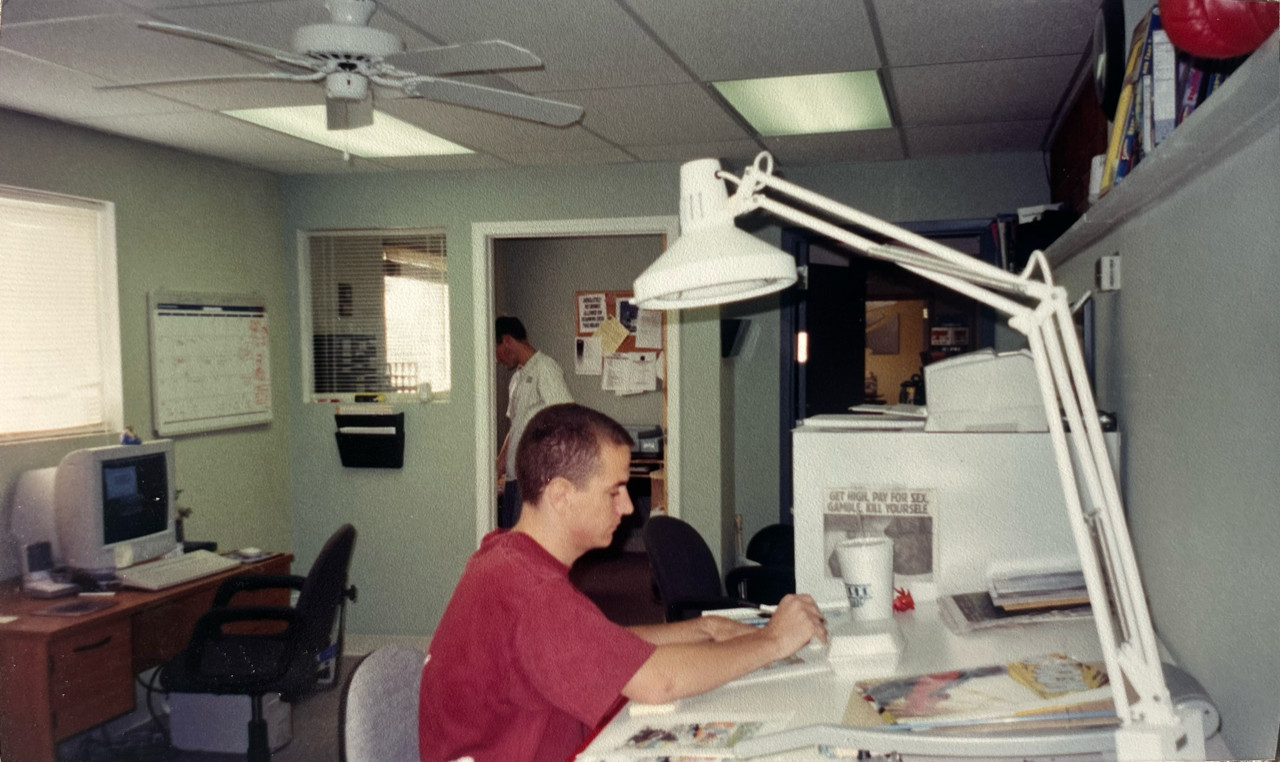
In a lot of ways, though, it was the period right after college that was even more important for Dragotta. He stayed in Savannah as an employee at comic colorist Lee Loughridge’s Zylonol Studio, his professional comic coloring house, even though Dragotta admitted he “was terrible” at coloring traditionally. That was alright, though, as Loughridge was ahead of the curve with computer coloring, and Dragotta was there to help with that.
“It was our job to translate the hand color guides into digital files using Photoshop. We got all the line art, we did the scanning, and then we did separations,” Dragotta said. “That was a tremendous education.”
His favorite memories of Savannah were during that time. He felt extremely lucky to be there then, especially having “walked right into a job in comics.”
“Living in Savannah was incredibly cheap back then. You could get a roommate and for $200 a month, you could have the most palatial pad in downtown Savannah,” Dragotta said. “(It was) bars, live music, going to work, holding stacks of (art by) Eduardo Risso or Paul Pope or other Vertigo DC artists.”
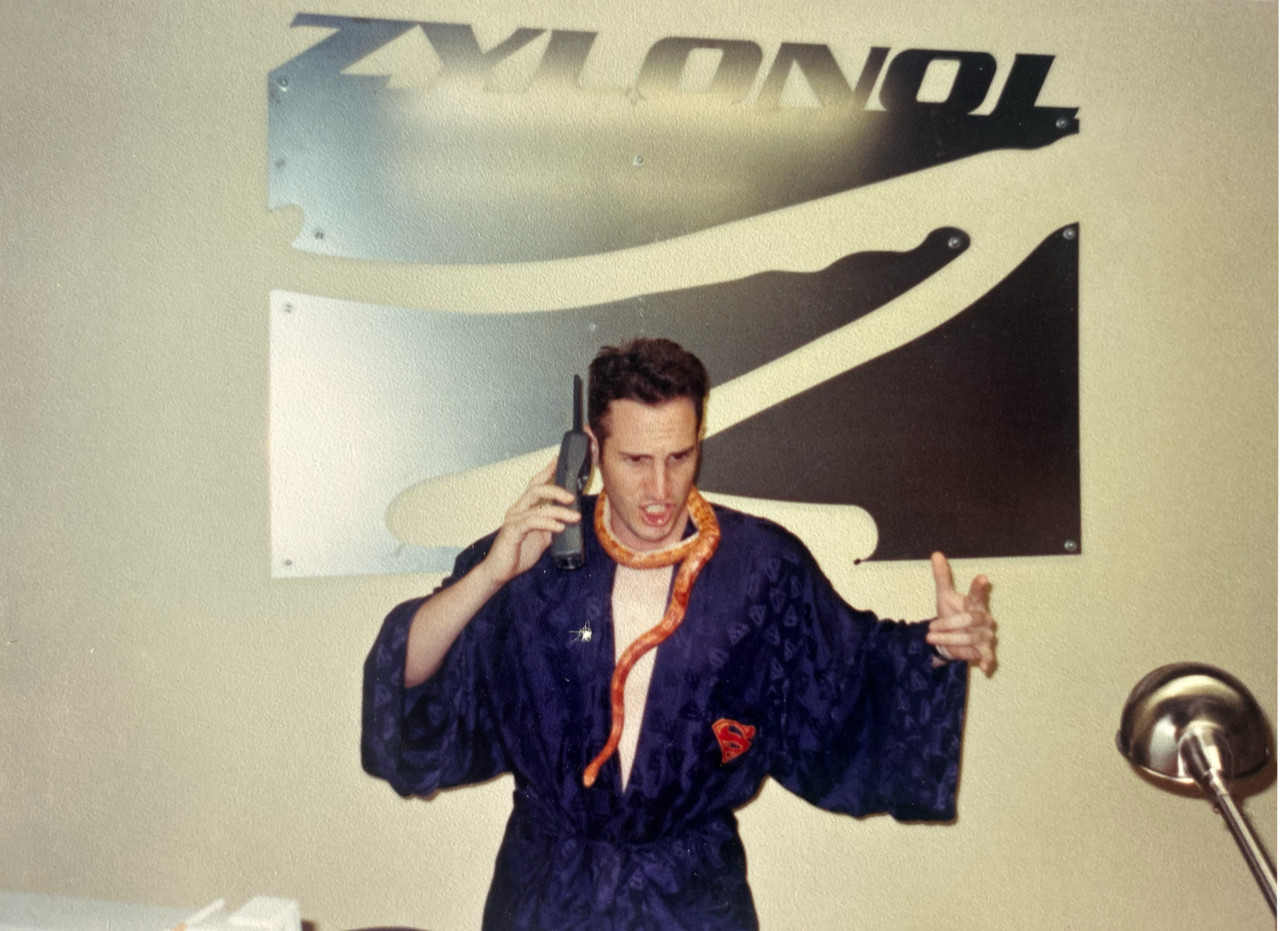
Seeing that work up close and personal — because Zylonol was getting the actual boards these artists worked on — was huge for Dragotta, whose education continued through life drawing classes and by studying the artists whose work was colored at the studio.
“As an artist, now I’m holding the real deal, and I’m like, ‘Holy shit. That’s how you draw a chain link fence. That’s how you act on a page,’” Dragotta said. “It was just incredible.”
It was during that time the artist picked up his first work in comics, but it wasn’t drawing one. It was coloring The Demon: Driven Out, a five-issue miniseries at DC Comics in 2003, a gig that was a going away present from Loughridge when Dragotta left for Boston because his then-girlfriend, now-wife Ingrid was hired as a shoe designer at New Balance. He appreciated it, but he knew he didn’t want to be a colorist.
He wanted to be an artist.
Thankfully, the wheels were already turning on that front.
Dragotta met Axel Alonso at one of SCAD’s Editor Days, as the Marvel editor was there doing portfolio reviews. The artist had been out of school for six years by then, and he had created a sample packet of art to showcase who he was. Alonso liked what he saw.
“I showed it to Axel and he was like, ‘The good news is I’m going to give you your first job. The bad news is the book I would do it on just got canceled, so we’re going to have to wait,’” Dragotta said. 5 “I remember he joked, ‘I want to be known as the editor who gave you your first job in comics.’”
That’s when X-Statix #20, Dragotta’s first interior work, came together. It was a serious confluence of events, though, as he was also moving to Boston and getting additional interest from Will Dennis, who was an editor at DC/Vertigo at the time. Dennis wanted to see if Dragotta’s art fit the crime genre, so he asked for sample pages. They were so good Dennis hired him to do fill-in issues for The Losers, a big book at the time thanks to the efforts of artist Jock and writer Andy Diggle. There were a couple small problems, though.
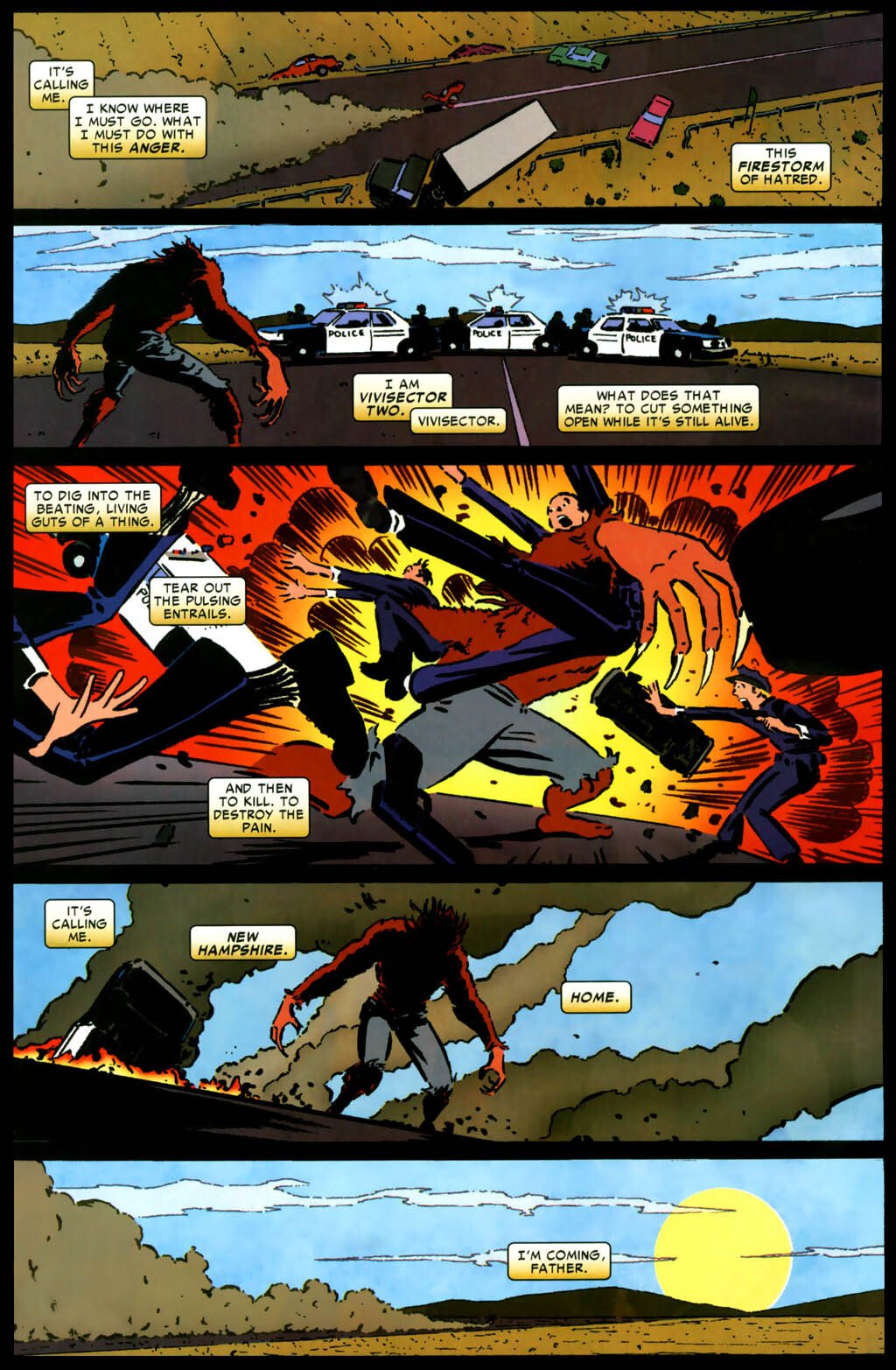
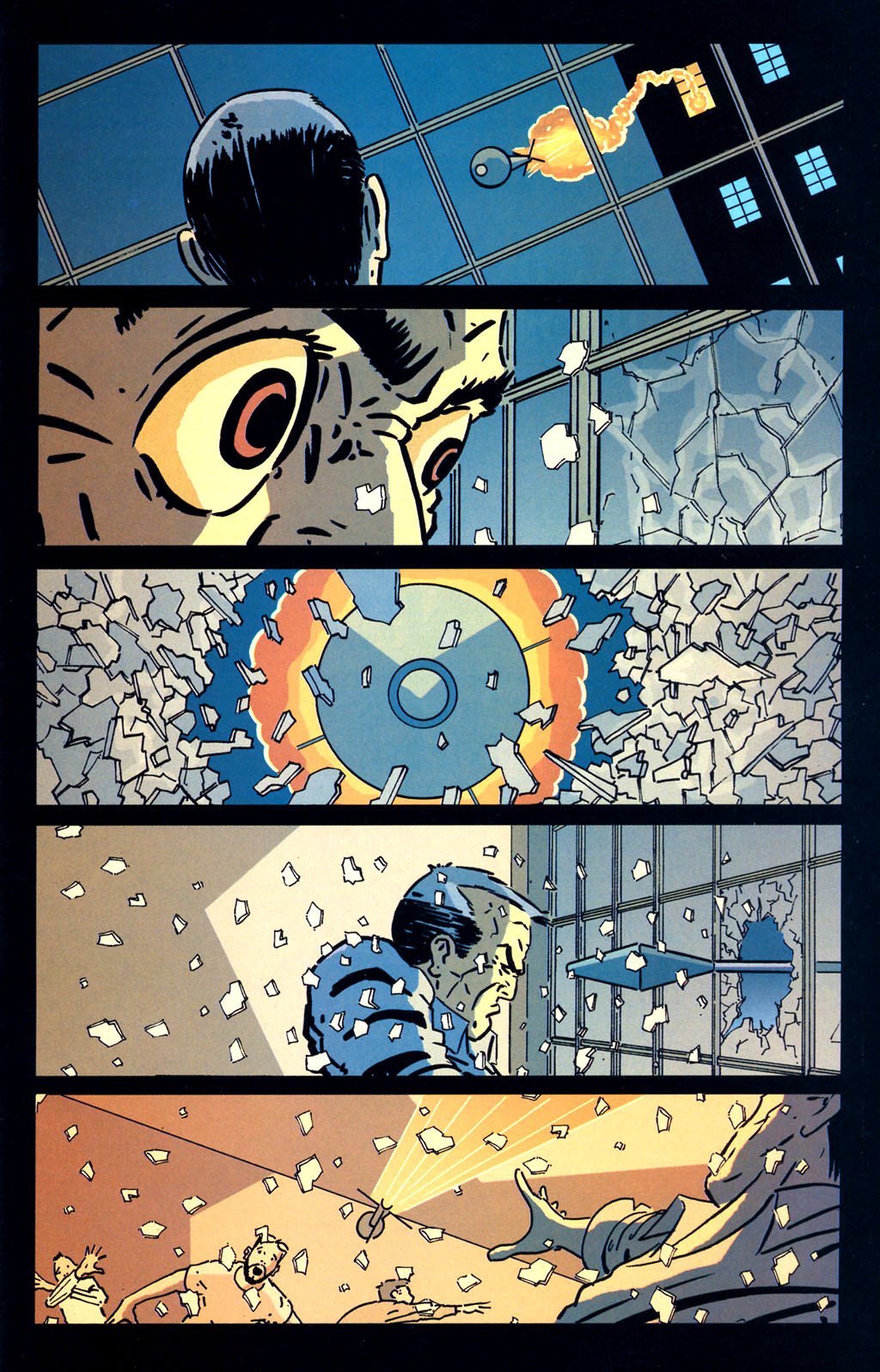
“I did (those sample pages for Dennis), but I would take like a month to draw five pages,” Dragotta said. “Then my X-Statix issue came out, and it was not good. The storytelling was fine. The finishes were awful. I didn’t know what I was doing. I didn’t get more work at Marvel again for years. Then The Losers came out, and same thing.”
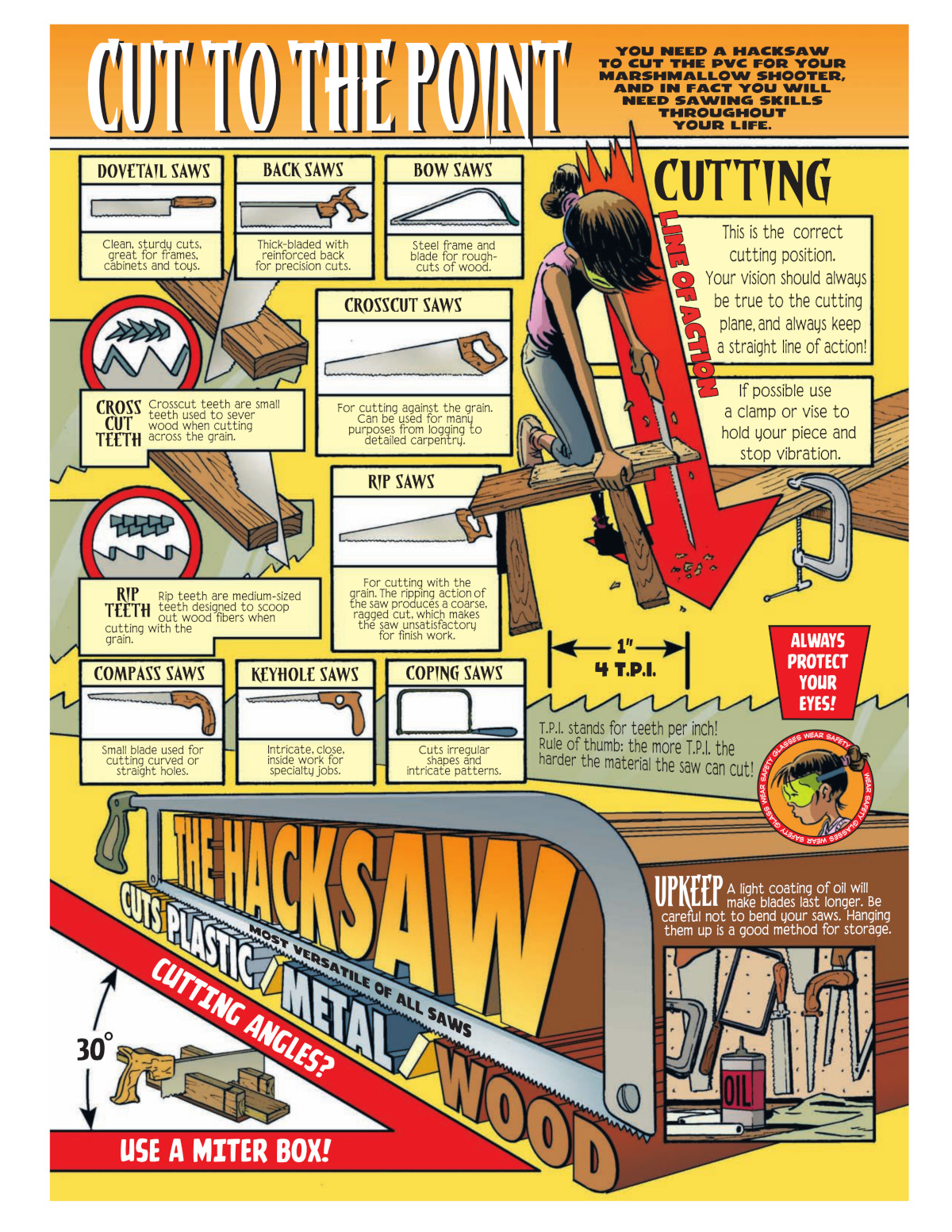
It was during this lull that Dragotta picked up an unusual project called Howtoons. A job through a website called Creative Moonlighter appeared, as MIT’s Joost Bonsen and Saul Griffith were looking for someone to illustrate their educational how to books, and Dragotta joined them on this venture. It’s a forgotten project from his past, but the artist said it “plays a big role in what I do” because he had to convey a ton of information — the “how to” element for varying science experiments and a story to boot — in a small amount of space. That page density is something he’s carried with him all the way to Absolute Batman.
“I learned to put a lot of freaking panels on a page and organize information and make it so a kid could understand it,” Dragotta said. “I look back on it, and I wish I was a better artist at the time, but the ideas are there.”
Shortly thereafter, Marvel returned in the form of Warren Simons. The Marvel editor was uncertain of Dragotta’s work, but the artist told him to look back on a key aspect of his art.
“I said, ‘Warren, don’t look at my finishes, look at my storytelling,’” Dragotta recalled. “He emailed me the next day, and said, ‘I went back and looked at it, and you’re right, your storytelling is good. We just have to work on your finishes. I don’t think you should ink yourself.’
“And I was like, ‘Yeah…you’re probably right.’”
That resulted in Dragotta’s longest project to that point in X-Statix Presents Dead Girl. Mike Allred was too busy, so Dragotta provided the pencils and Allred inked him. The artist learned a lot from the veteran talent.
“You talk about learning….working with Mike Allred,” Dragotta reminisced. “Then I went on a little tear. Every job Mike couldn’t do, I got and Mike finished it. It was enjoyable work and crucial learning by Mike’s example how to be a pro.”
He wasn’t the only one who dug it. Allred described that project as one of his “all-time favorite teamings,” as he, Dragotta, and writer Peter Milligan had a blast on the book. And while Allred admitted he was “probably overbearing with (his) initial approach” inking Dragotta, he said “when I set my ego aside and simply used my brush line to faithfully follow the beauty of his pencils, it really started to sing.” He could see how special Dragotta was and could be.
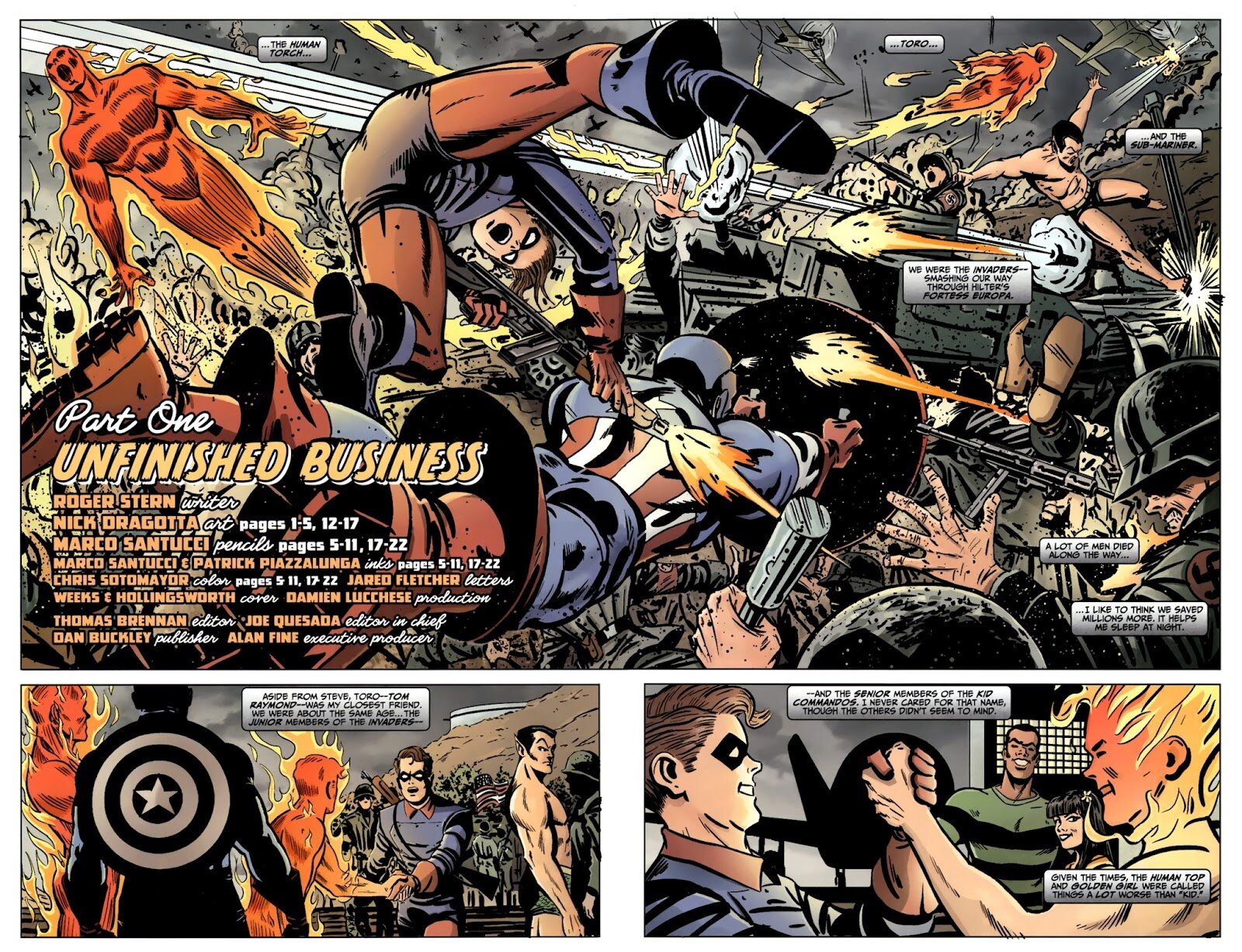
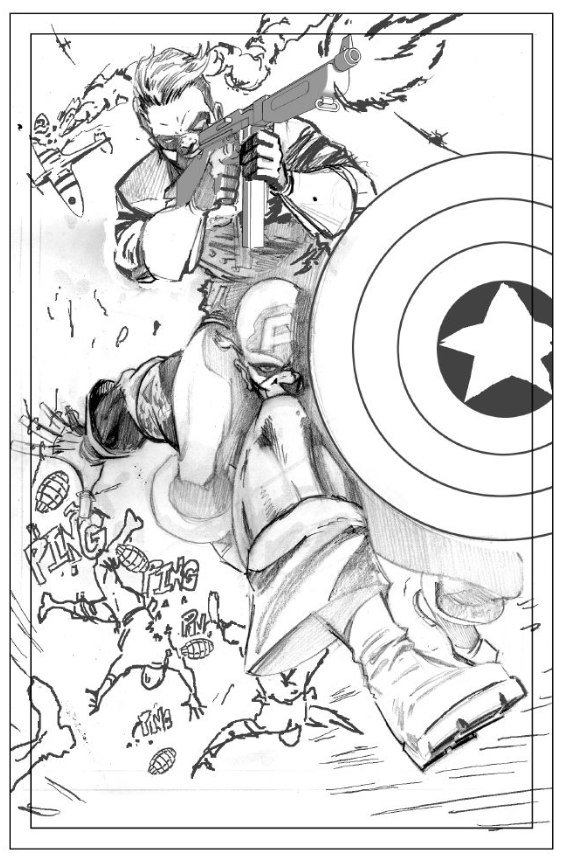
From that point on, Dragotta stayed busy, even if he admitted, “This part of my career feels like Forrest Gump.” He was working with all kinds of collaborators, and while he was pigeonholed as a retro artist, that gave him the chance to team with legends like Stan Lee — who once wrote Dragotta a letter to share how much he enjoyed his work — and Roger Stern. The artist beamed when he recalled one note from Stern from their project, Captain America: Forever Allies.
“Roger Stern was like, ‘Whoa, this is like (Jack) Kirby meets (Frank) Miller. Who are you?’” Dragotta said.
Even though he was typecast to some degree, collaborators who worked with him during this period recognized how adept Dragotta was at the most essential part of making comics.
“Nick’s a natural at layouts that are simultaneously clever while seeming effortless, something a lot of artists try to do but only the rare ones are really able to pull off,” writer Fred Van Lente said. 6 “Nick is selfless in the way all great collaborators are. He’s super-cool while in service to the story.”
This is when Dragotta’s career really started to take off, and a few key projects led the way. One was Fantastic Four #588, the final issue of the third volume of that title, making it almost certainly the most read comic he’d drawn to date. It acted as the aftermath of Johnny Storm’s apparent death in the previous issue, and it was a silent issue with writer Jonathan Hickman. The artist admitted that his goal was “to draw this as much as I can like Jack Kirby in honor to everything he did,” and he did just that.
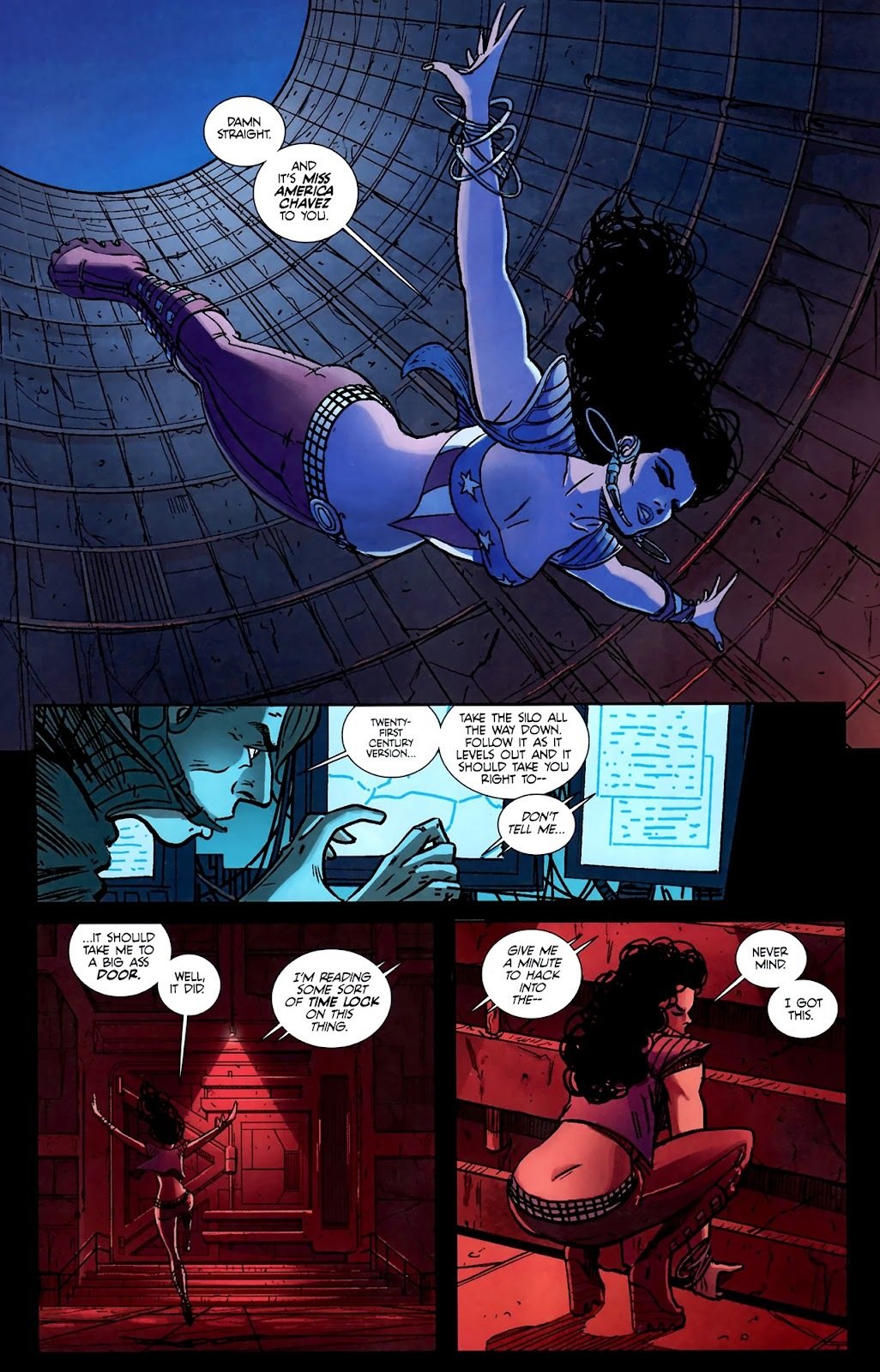
Another was Vengeance, a Marvel miniseries with writer Joe Casey, which was the first time he was able “to create characters whole cloth.” 7 Dragotta loved working on that title — “it pushed me,” he said about the series and working with Casey — to the degree that when Marvel asked him two issues in to launch the Fantastic Four follow-up in FF with Hickman, he declined. He initially worried he made a mistake, but Marvel respected his desire to not leave the book. So much so, editor Tom Brevoort told him to come over to FF after it wrapped.
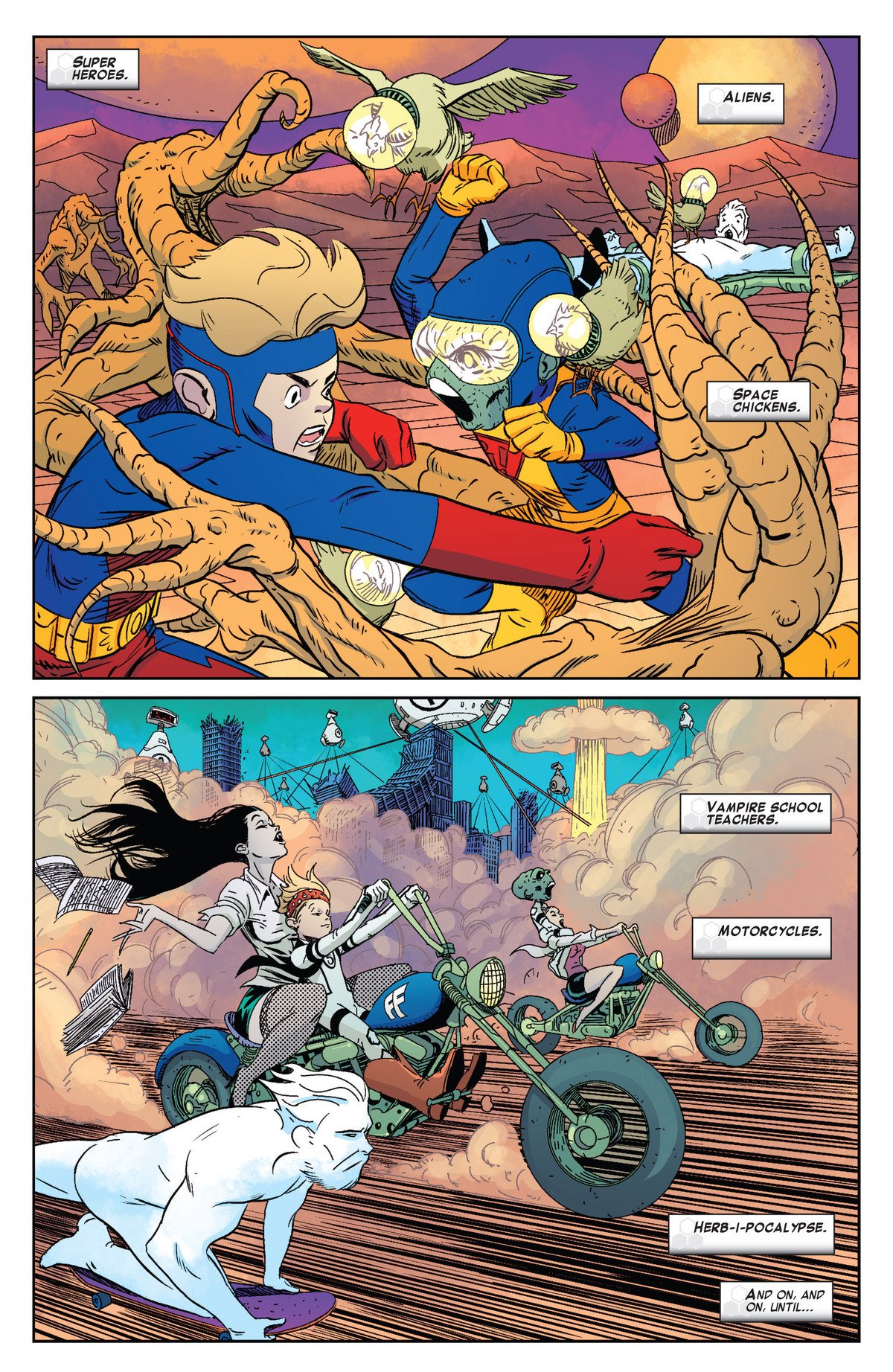
That run started with issue #15, and per Dragotta, it was when things were “really starting to click.” Not only were he and oft-collaborator Hickman able to fully collaborate on a story that allowed Dragotta to escape the retro space for science fiction, but it was also when he discovered manga and, in particular, artist Tsutomu Nihei. Those influences started to make it into the work. Everything was coming together for Dragotta.
That was especially true when his Image Comics series East of West arrived. Dragotta said this was the point he finally felt like he understood how to make a career in comics work. Allred had been telling Dragotta he needed “to take a chance on creator-owned” because “if it hits, it’s life-changing,” and East of West truly was. Coming on the heels of FF, 8 Dragotta, Hickman, colorist Frank Martin, and letterer Rus Wooton delivered a hit, and the success of that series was massive for the artist.
“(It was) my first true monthly, we did 46 issues, I got to create the world, worked Marvel Style, 9 and also, it was financially securing,” Dragotta said. “So, I could breathe a little and relax.”
Not that he did, of course.
Faced with the opportunity to finally “tell my own stories on such a big stage,” he and Hickman collaborated in a way that unlocked his preferred approach going forward.
“I was given leeway to do what I wanted to do, but always respecting where John wanted to go and getting us there,” Dragotta said. “I would never claim I wrote it, but I co-wrote it in the sense of I was controlling the visuals and doing all the character designs and writing the action scenes, if you will.”
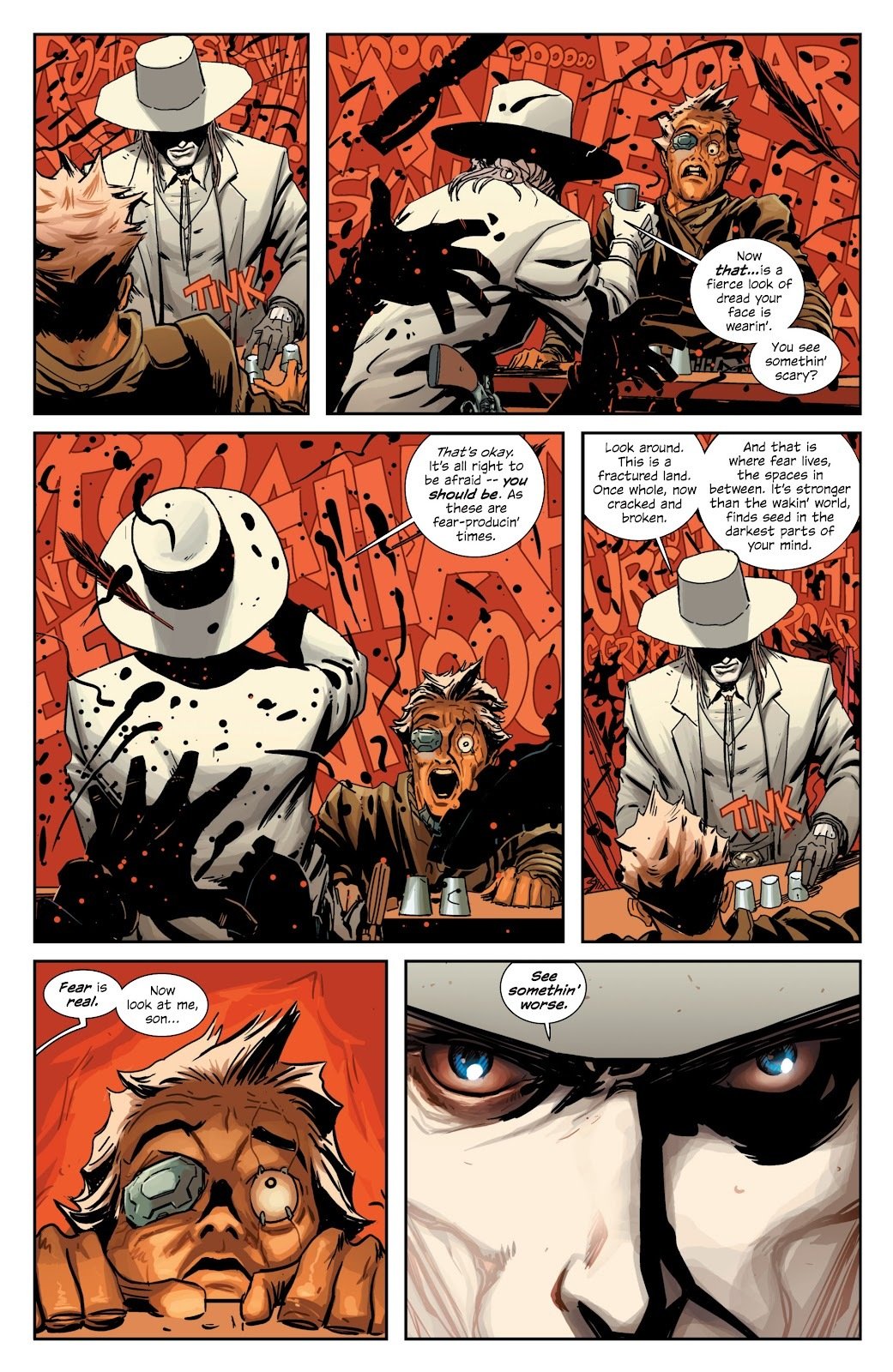
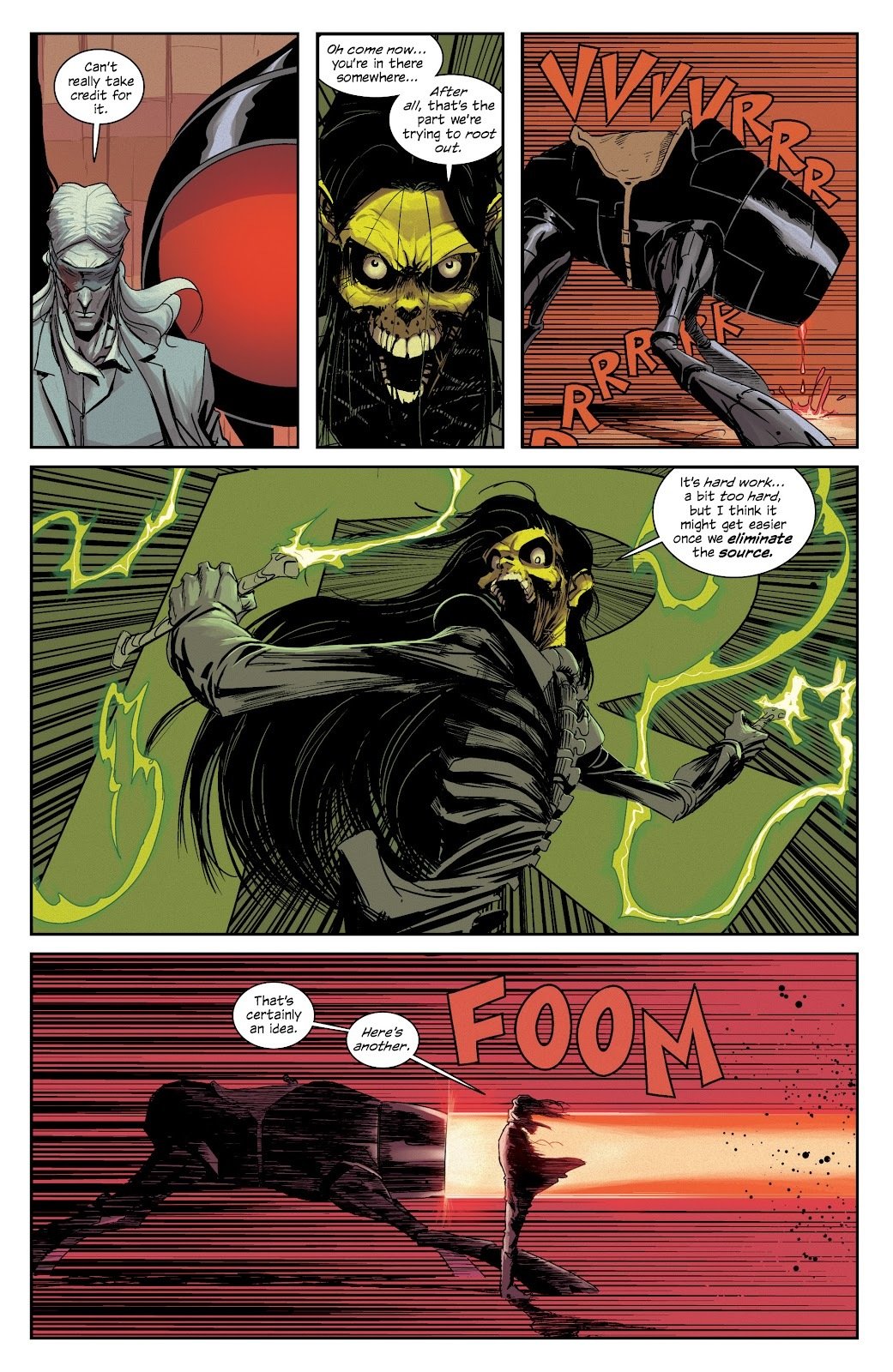
Working on such a lengthy project did wonders for Dragotta. He really began to embrace his instincts, something that was made easier by how hands-off Hickman was, who always insisted that the artist should “just draw it” and that he could “save it in the script if it doesn’t work.” That’s when Dragotta learned “how to punctuate a scene,” as their Marvel Style method gave him the space to make moments pop through the art.
It gave him a better understanding of the business of comics as well. Being a 50-50 owner with Hickman offered Dragotta a look at how the finances of comics really work. It was also during this stretch when the artist signed up with art rep Felix Lu of Felix Comic Art, which was a big moment for him, even if he worked digitally on East of West.
But between that project and other independent ones like Ghost Cage and the stories that fed into the Image one-shot Good Devils: Don’t Play Fair with Evil, Dragotta had what he needed for his next big project.
“That’s what set me up for Batman,” Dragotta said.
Before we shift to Absolute Batman, you need to understand a little more about the way Dragotta thinks about art and what fuels him as an artist. Brad Simpson knows Dragotta’s mindset well as a friend and collaborator. He’s seen where the artist works, and it’s a good representation of Dragotta as someone who engages with and creates art.
“I would go over to his studio and hang out, and he’s one of those guys that just has books spilling out all over the place, covering the floor, covering the walls, with half-built mech toys everywhere,” Simpson said. “He’ll clean it all up and organize it, and then it just falls back into the same state.”
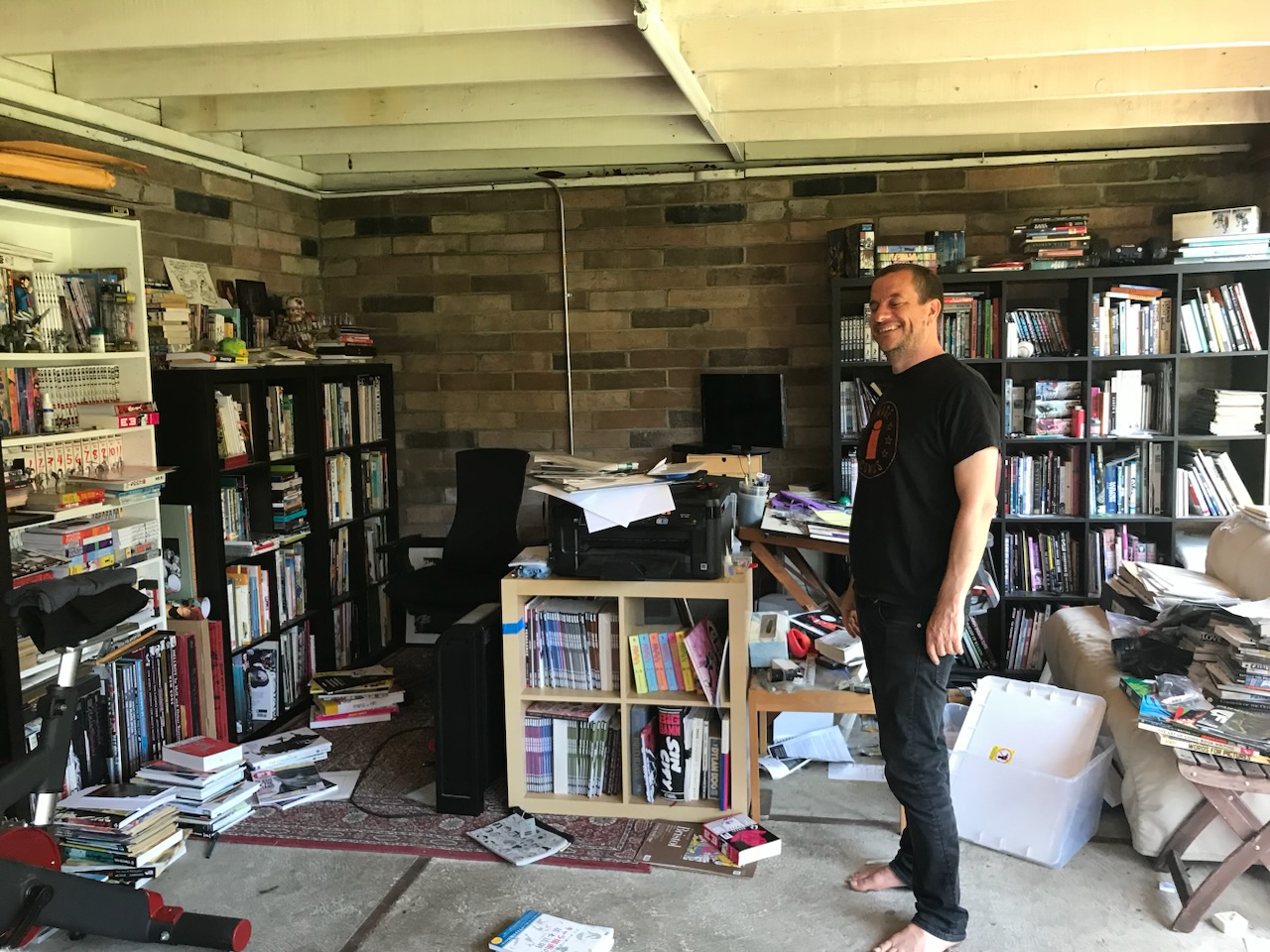
There’s a reason for that. Nearly everyone I talked to emphasized what an enthusiast of art and artists Dragotta is.
“If you go to the comic shop with him, you’re going to be there for a while,” Simpson said. “You want to go on a full stomach.”
“Nick is incessantly absorbing comics from all over the world,” Lu shared. “Stuart Ng Books 10 is a must-visit whenever Nick is in town. He’s like a kid in a candy shop.”
“Almost every time I’ve mentioned a cool artist to Nick, new or old, he’s either had an art book, a copy of their stuff, or tabled near them at a show,” Brothers added. “He loves finding whatever is fresh and new in comics and enjoys a broad swath of storytelling styles.”
Maybe that’s why Dragotta’s influences run the gamut. There are the names you’d expect from any artist, like Frank Miller, Alex Toth, and Mike Mignola, but also ones like Edvin Biukovic, whose work on Grendel Tales: Devils and Deaths was huge for him. He values 1990s Image Comics art as much as the comic masters, and he takes inspiration from everything he does, whether that’s skateboarding or racing RC cars. 11
And, of course, manga. He really started to dig deep in manga in the early 2010s, right around when he was taking on FF, and that’s when some of his peers saw a change in his art.
“The biggest turning point I saw in Nick’s work was when he started to get deep in manga,” Crystal said. “It was like the final missing piece on his path to becoming the artist he is today.”
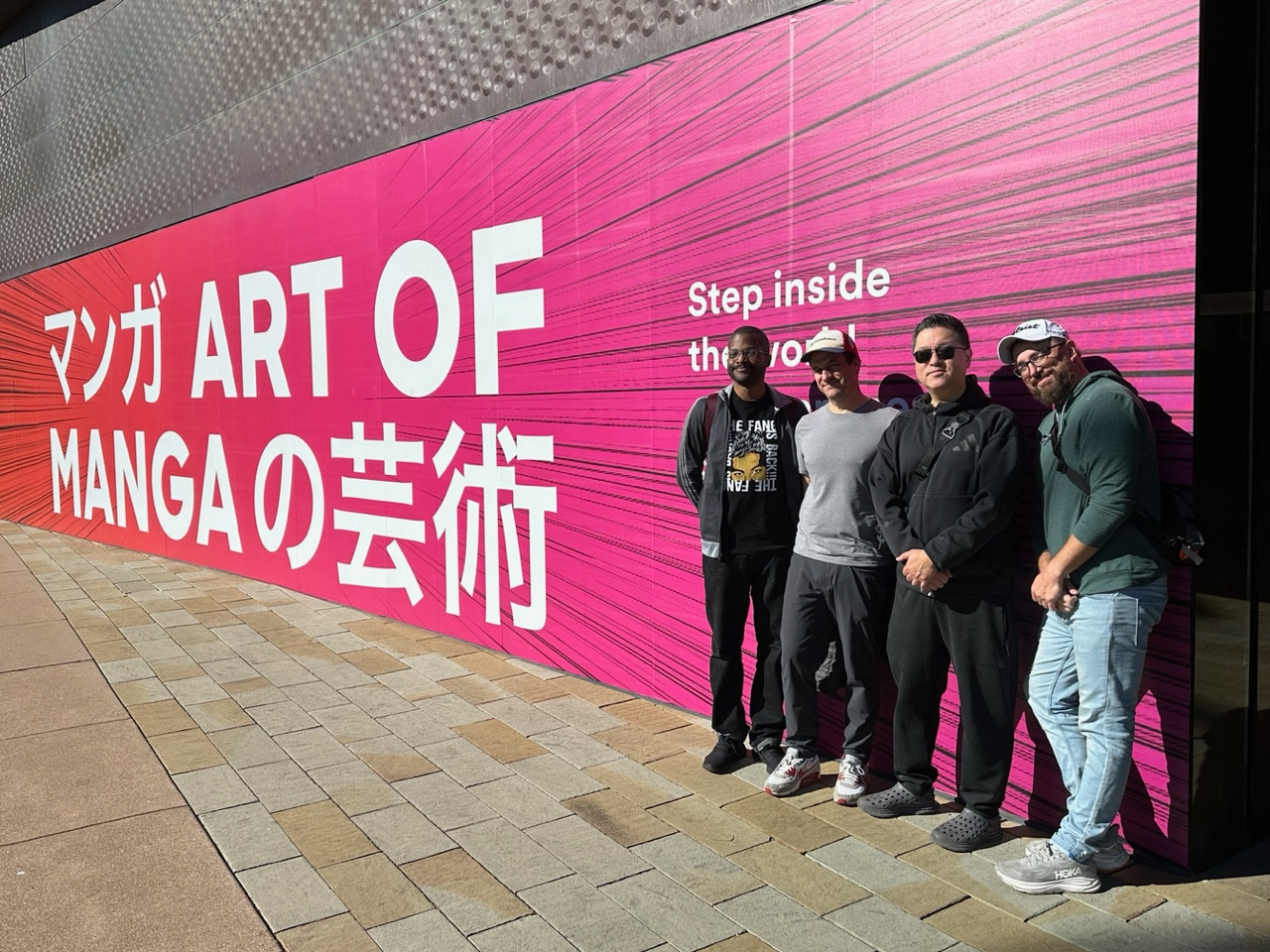
While Dragotta fully admits that’s part of his art — particularly the “conversational beats” of Naoki Urasawa, the “imagination, ambiguity in storytelling, and the timing” of Tsutomu Nihei, and how Yoshikazu Yasuhiko “knows exactly what to put on the page and to leave out” — the artist emphasized that the influence of manga on his work is somewhat overrated, at least relative to everything else.
“I’m just a blender,” he said.
Simpson agrees. The colorist believes what we’re seeing now is everything the artist loves being channeled through a singular voice.
“Over time, I think all his influences have merged,” Simpson said. “There’s the manga influence, but there’s also the (John) Buscema and the ‘90s enthusiasm. His eclectic tastes have seamlessly merged over the years.”
Style isn’t his focus anyways. Dragotta said that storytelling “is all that matters” to him, with his emphasis on simple gestures that “perfectly align with a line of dialogue.”
“Every time I have a new project, I try to serve the story,” Dragotta said.
That’s something his collaborators have long noticed — and appreciated.
“I talk a lot about being additive and not destructive,” Hickman said. “Nick is the additive guy.”
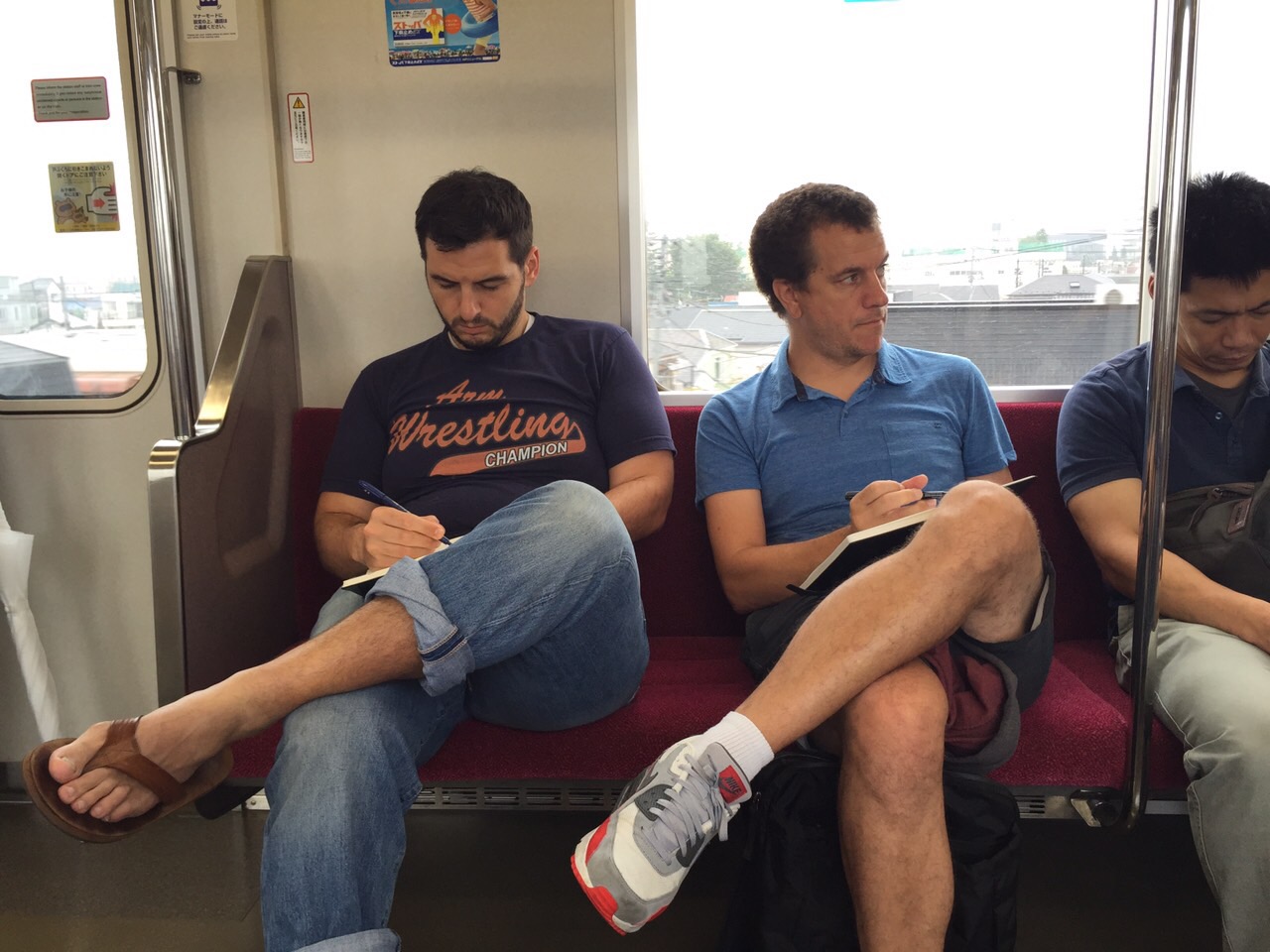
That said, all he can typically see are his mistakes. Dragotta will often “beat (himself) up” about the work. But that might be part of the reason he’s constantly grown and evolved as a storyteller. Even though he’s critical of himself, it’s fueled by a desire to “keep learning.” According to one of his most frequent collaborators, that shows in the work.
“It’s been a giant kick watching his talents explode! It’s so rare to see new artists with a completely unique style,” Allred said. “I’m sure he’s evolved in ways I couldn’t begin to understand.”
One of his big changes in recent years was switching back to traditional art. He worked almost entirely digitally for about 13 years starting in 2010, and while he was doing commissions on paper throughout, it was much different than constantly drawing with pencil, pen, and brush. Digital was faster for Dragotta when it was necessary on East of West, but he’s now fully traditional. That move was for several reasons.
“Going back to the artistry and doing something with your hands and anti-AI and going back to what makes comics so special,” Dragotta explained. “All you need is a pencil and paper.
“There’s something romantic about that.”
Of course, it helps that he’s become close with his peers at Felix Comic Art. Watching artists like Daniel Warren Johnson or James Harren draw made him realize he was being too “precious” and that he needed to “focus on (his) strengths.” It also helped that he saw that someone like Johnson was getting “another income with these pages,” 12 as the original art market exploded after the pandemic hit and hasn’t slowed down since, at least in part because of Lu’s efforts to cultivate that space.
Like with everything else involving his art, his move to traditional was inspired in part by studying his fellow artists — and he hasn’t looked back since.
The biggest project of Nick Dragotta’s life started with an unexpected text message.
It was from Scott Snyder, someone he’d only met once before, and the writer wanted to know if he could give him a call. Dragotta agreed, and for the next hour, Snyder laid out his plans for DC’s Absolute universe. He wanted to know if Dragotta would like to draw one of the books, and that was an easy answer.
“I was like, ‘Dude, are you asking me if I’ll draw Batman?’” Dragotta said with a laugh.
The artist was somewhat skeptical at first, though. He was thrilled with the offer, but he couldn’t help but wonder, “Why are you calling me? Who turned you down?” something he admits he’s joked with Snyder about before. But it was clear that it was sincere and that they jived well. Snyder’s ideas quickly led to Dragotta laying out a plan to “mesh Batman: Year One with The Dark Knight Returns with Urasawa page turns.” The energy was there from the jump.
“It was a passionate call about what could be. We were excited,” Dragotta said. “I said, ‘If you write it, I am in.’”
There was only one problem: Snyder had no plans to do that. His goal was to be a showrunner of sorts, not the writer of any of the books. But between Dragotta’s push and James Tynion IV saying he needed to write it, it was done. The team was set, with Snyder and Dragotta taking on Absolute Batman, creating everything together in the process.
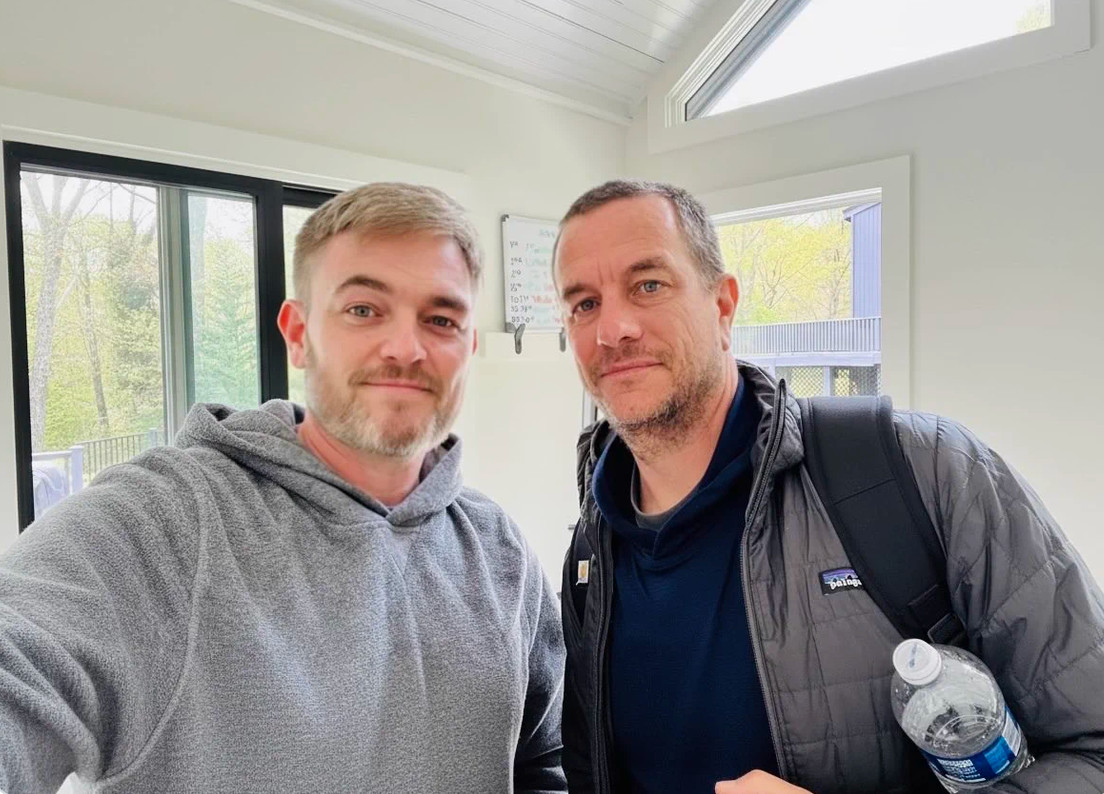
And it’s important to note that that word — “together” — is crucial to Absolute Batman. This isn’t a writer writing a script and an artist drawing it, like it’s an assembly line with neatly delineated roles. This is an evolutionary step on how East of West worked, with Dragotta and Snyder breaking down each issue collaboratively to make the series what it is, as the latter emphasized.
“Everything about Absolute Batman is the two of us working in tandem,” Absolute Batman writer Scott Snyder said. “He lives right across the Long Island Sound from me, so he comes over on the ferry at the start of every issue, and we work on it in person, talking through ideas, sketching, and putting things on a whiteboard.
“It’s 50-50 all the way through.”
It’s a team effort in the very best of ways. Dragotta knew from the beginning that they had “to craft this in such a way that moments are huge,” and a deep collaboration was the best way of accomplishing that, with the improv rule of “yes and” being their guiding light.
“You say ‘yes,’ and you don’t go ‘but’ or ‘no,’ because you’ll kill the skit. That is our relationship. It’s just additive. It’s all so collaborative,” Dragotta said. “We really beat stuff up. We’ll win each other’s understanding if we disagree. But we’re all in on the book and pushing it to make it as entertaining as possible.”
The beauty of their collaboration is it allows Dragotta to really shape the story as an artist. While that’s always the case to some degree, some of Absolute Batman’s biggest moments are just the artist cutting loose and creating an iconic scene in the process.
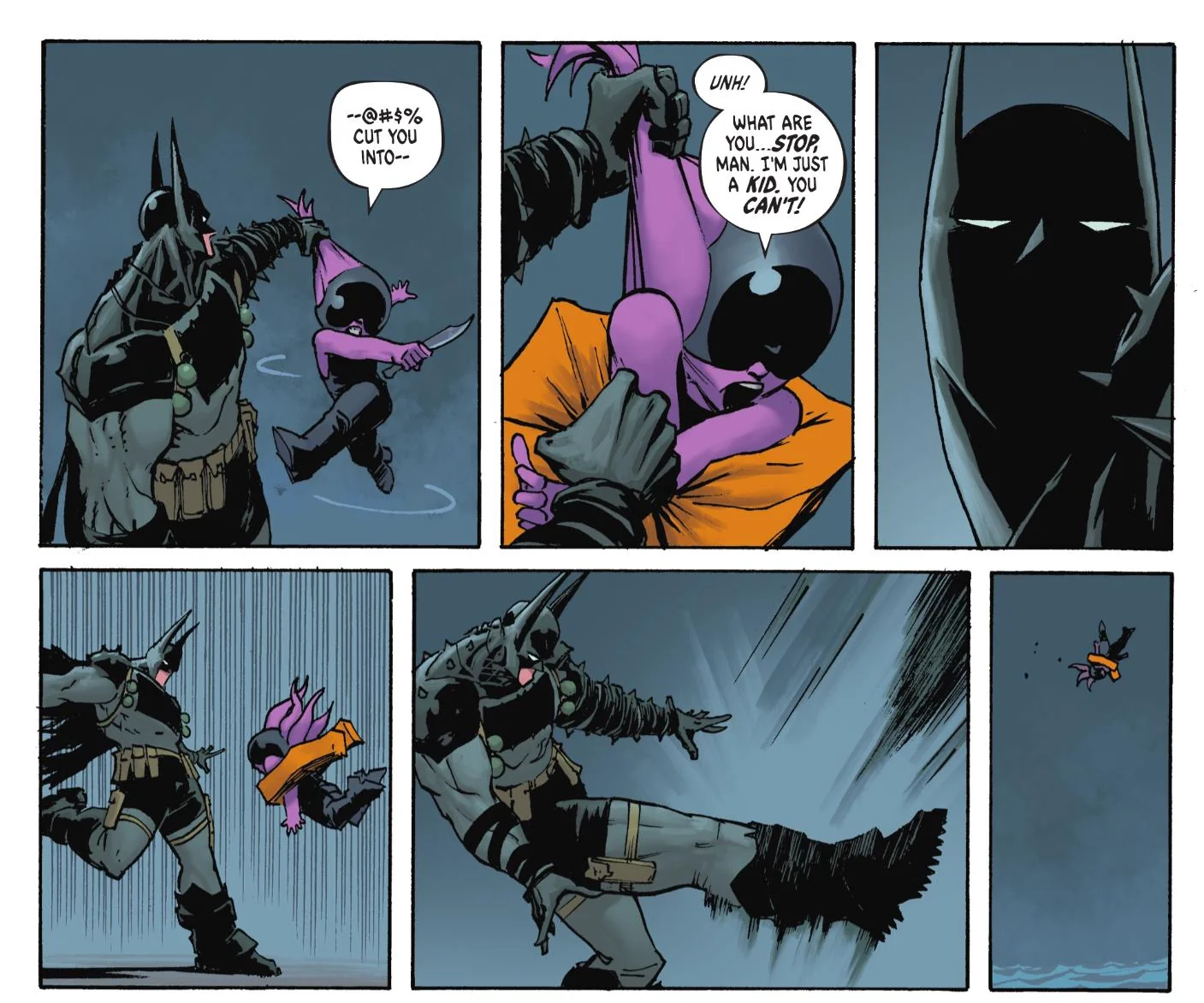
“Batman punting the kid…that’s just some shit I do. That’s not written. Scott was like, ‘The most insane fight scene yet’ (in the script), and I said, ‘Scott, I already did that in every issue,’” Dragotta said. “I was like, ‘You know what? This crew? They don’t fight. They’re all wimps. They’re all going to jump ship. Batman’s going to barrel through these guys. And he’ll punt the kid.’ We just started cracking up. That was it.
“And that becomes a viral thing in the book.”
It wouldn’t have happened without a creative team that empowers each other to find the right answers, and it is a team in all senses of the word, one that extends beyond its writer and artist into its colorist in Frank Martin and letterers in Clayton Cowles 13 and Tom Napolitano, with support from editors Katie Kubert, Sabrina Futch, and Chris Conroy. They needed a good team, though, because each issue is a herculean effort.
“The amount of work is insane. We don’t fucking stop. I don’t know the last time like I had a weekend off or took a vacation. I’m doing my best to get this book out,” Dragotta said. “That’s the beauty of it, though. If I didn’t do that, I wouldn’t have achieved this.”
And what they achieved has been nothing short of staggering. Absolute Batman has been a sensation upon which an entire surge of the direct market 14 has been built, and it’s created a wave of new comic readers who discovered the series on TikTok, YouTube, and beyond. It isn’t just a colossal seller, either. Everyone who reads it seems to love it, with the series even earning five Eisner Award nominations this year.
What’s fueling that heat? Dragotta believes there are several key factors. One is Batman himself, who the artist views as “the coolest superhero ever created.” It turns out The Dark Knight is fairly popular, and their version had a strong foundation because of that while still being a Batman for a new generation. He thinks Snyder and how they work together are even bigger aspects, as their collaboration differentiates Absolute Batman from other runs. Its success doesn’t exist without the team’s commitment to “pack the book with surprises” and to “tell the story as simply and directly as possible.” In his mind, the excitement surrounding the book is built from the work itself.
Dragotta couldn’t be happier about the response, though, and he sees the fans themselves as playing a key role in the book’s rise. As noted, the conversation on social media has been immense, and it wouldn’t exist without readers constantly spreading the gospel of Absolute Batman, an energy the creative team feels and builds from.
“The enthusiasm just keeps pushing Scott and I,” Dragotta said.
The list could go on and on, and it all plays a part in the rise of Absolute Batman as not just a comic book, but a phenomenon.
There’s one essential ingredient Dragotta missed, though: his art.
While many point to the manga influence and how that connects the book to the massive readership that side of the medium attracts, Dragotta said his work brings a little of that in 15 but his focus was largely on names like David Mazzucchelli, Frank Miller, Attilio Micheluzzi, 16 and Norm Breyfogle as the book was developing. That’s not to say he’s copying anyone. His belief from the beginning was he needed to not “try and follow what had been done before,” and that Snyder “saw something in me,” so he should “tell the story as I see fit.”
Whatever his inspiration was, it’s all added up to something special, with his art resonating with readers in a rare way. So, the question becomes, why is Nick Dragotta having a moment now? Beyond the Absolute Batman of it all, why is his art connecting with comic readers in a way it hadn’t in the 20 years he’d already worked in comics? 17
Brothers, an oft collaborator of his, believes time is a big factor, and not just the time put into the work but the length of his run on Absolute Batman.
“In basketball terms, he’s been in the gym putting up shots out of sight of everyone, and now that he’s in the playoffs, that work is bearing fruit,” Brothers said. “Absolute Batman is the kind of lengthy project that he can sink his teeth into and make his own, and it’s all taking place on what is still one of the biggest stages we’ve got in comics.
“There are a lot of ways to be good at Batman, and Nick’s discovered another.”
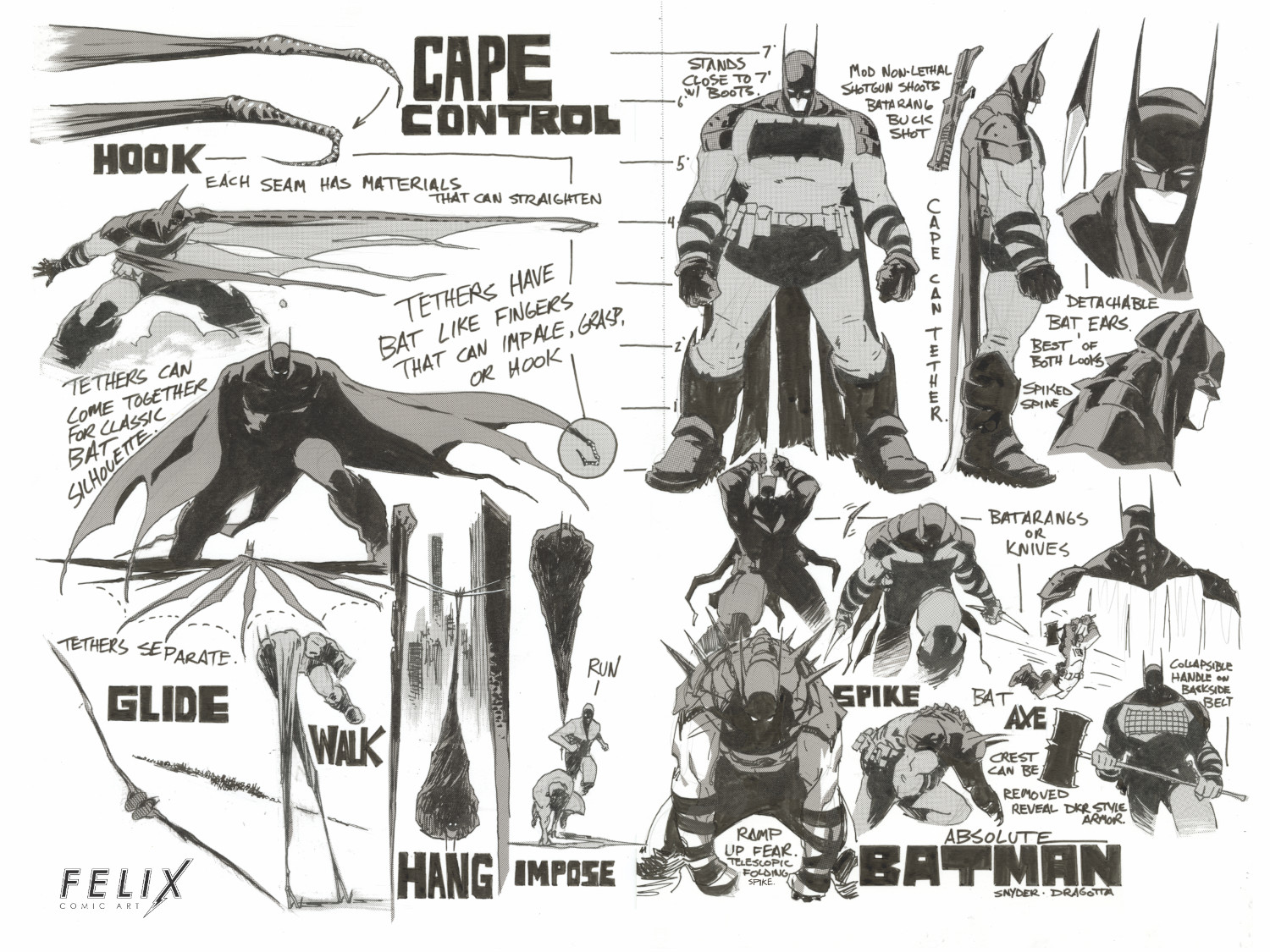
Dragotta’s character designs are another reason. His approach to bringing this hulking version of Batman to life was the first thing that got people talking, and every design that followed has only made that fire burn all the brighter. It’s been impressive, because asking someone to redesign a cast of legends is a difficult test. And yet, it’s one Dragotta has aced.
“Creating the Absolute versions of well-known characters is a giant challenge, and his way of thinking about not only their looks but how these characters act and live within their worlds is mind-blowing,” Absolute Batman editor Katie Kubert said.
“Any notable Batman artist is going to have their own take on Batman himself, but the mandate of Absolute Batman has given Dragotta a rare chance to define the rest of Gotham as well,” comics critic Susana Polo added. “Dragotta’s art is really telling you about what’s inside before any verbal pitch could: ‘This is something you know, but different in a nerve-jangling way.’”
Dragotta’s impact extends beyond the surface level cool of the design according to Polo. While those may “catch your eye,” “it’s the way he’s learned to approach action and scale that is keeping those eyes for the long haul.” As is always the case with Dragotta, it’s about the storytelling, and everyone agreed that it changes everything for Absolute Batman.
“(Nick’s) art style breaks all the rules. It shouldn’t work, but it does because Nick is so good at storytelling,” Snyder said. “His storytelling is the magic that allows for that all to work in one style, and I think people are looking for something right now that feels unconventional, feels a little dangerous, feels like it is uncompromising in its priorities, and that’s what Nick and this book are all about.”
“Comics are a visual medium where the ‘how’ is fundamental to the ‘what,’ it shapes the perception and understanding of the material by the reader,” Absolute Batman fill-in artist Marcos Martín said. “This is an over-the-top, crazy and visceral version of the character and his world, and Nick’s hyper kinetic, raw and deeply emotional style is not just what brings (Absolute Batman) to life, but what shapes its meaning.”
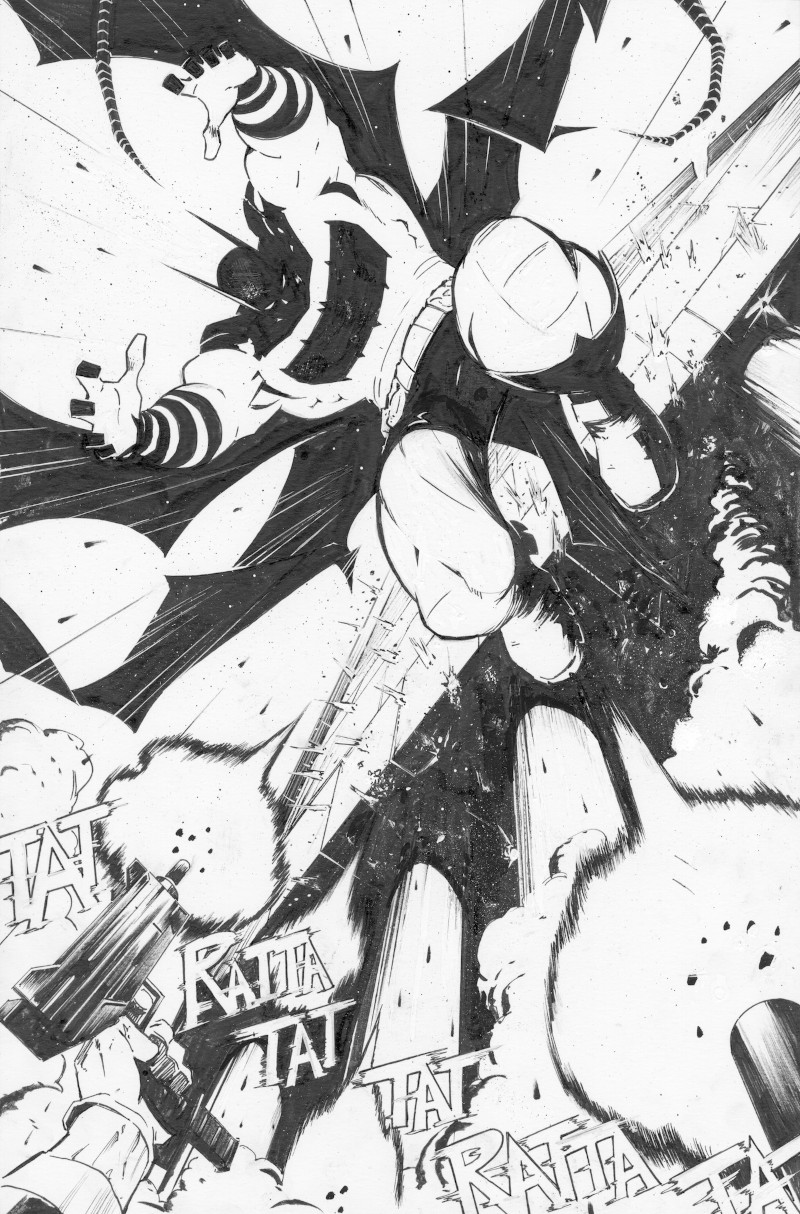
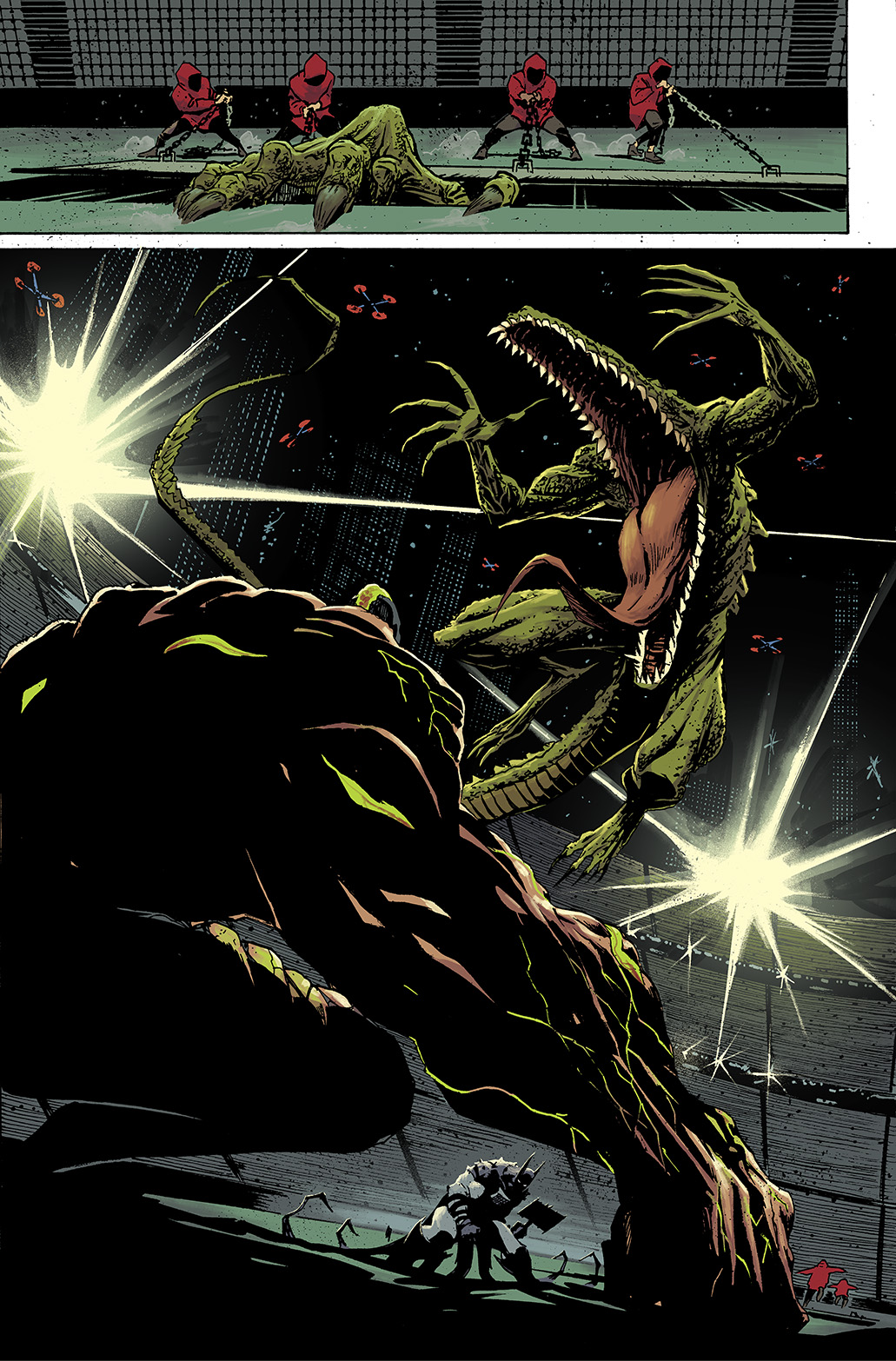
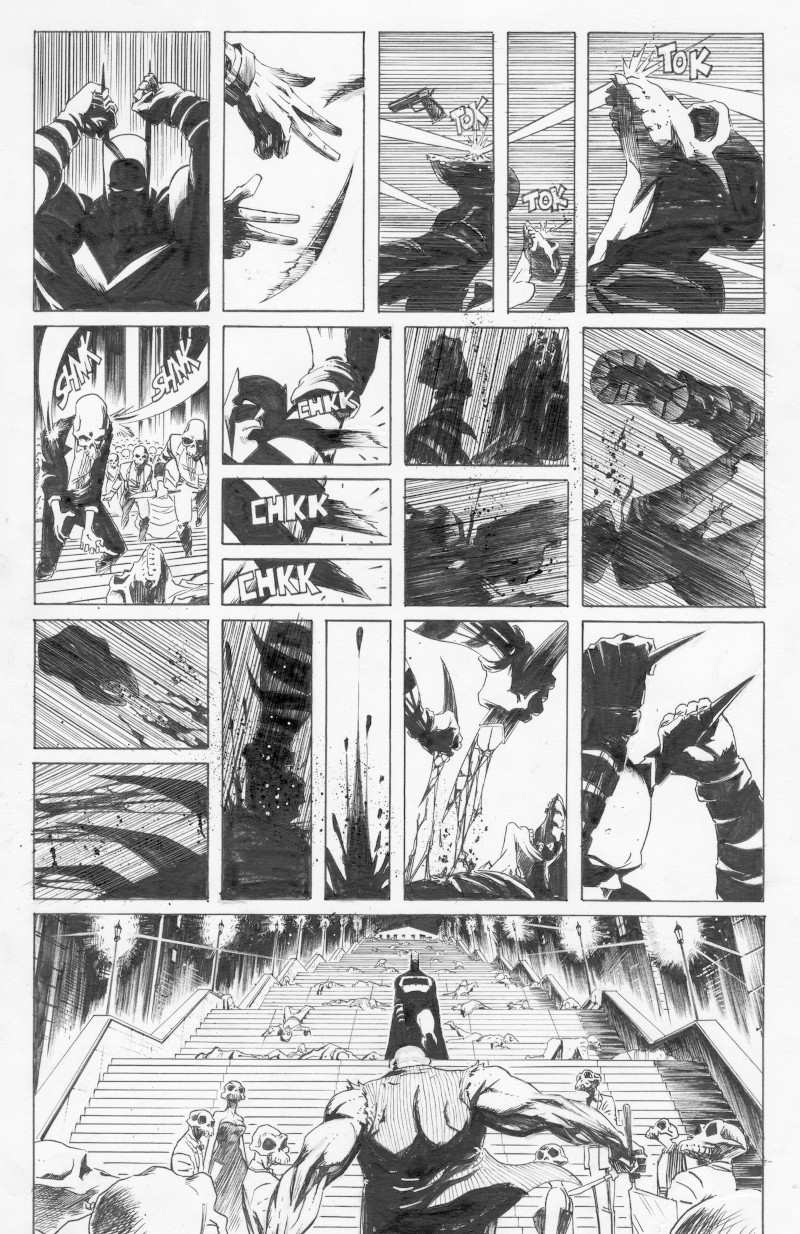
That’s where the rubber really meets the road for the book, and it’s something Dragotta is proud of, as he says, “Absolute Batman might not be my most illustrative work, but it’s my best storytelling.” That’s crucial, and yet, being a good storyteller is a characteristic many artists share. There’s only one Nick Dragotta, though, and a huge part of its success comes down to just how singular a voice the artist is.
“There’s one thing (Dragotta) talks about with art, and that’s putting your personality into things. His art isn’t interchangeable; it’s so much of his self-expression,” Simpson said. “When comics had its big boom in the 1990s, there were certain artists that drew with a lot of self-expression and broke the mold in that way. I think Nick does the same thing.”
“The thing I appreciate the most when looking at comic art is being able to distinguish a personal voice whether it’s through the drawing style, line work or a particular approach to storytelling,” Martín said. “Nick somehow excels at all of those.”
All these factors play a part in why Dragotta is having a moment, but the truth is, why some artists pop and others don’t is often up to chance. The key, according to Dragotta’s previous collaborator in Fred Van Lente, is being ready when that day comes.
“The popularity part of (comics) is mostly just luck, projects that hit for whatever reason when earlier ones flew under the radar,” Van Lente said. “When opportunity knocks, you have to be home.
“Nick was always home.”
Felix Lu has had a front row seat to much of Nick Dragotta’s career, and he’s seen the effort that’s went into the artist’s journey firsthand. He’s always known what the artist was capable of, and the world has finally caught up to him with Absolute Batman. The art rep has long been a staunch supporter of Dragotta, something that may surprise outsiders if only because Dragotta worked digitally for much of their time together. But when the right project hits, it hits, and Lu has been astounded by the response the original art market has had to Dragotta’s art on the series.
“Absolute Batman has made up for the previous 10 plus years (of no traditional pages),” Lu said. “And then some.”
While Dragotta has made a much bigger name for himself with his work in Absolute Batman, it’s everything else — original art sales, signings, exclusive covers, etc. — that may have really changed everything for him. As the artist said, “it can be hard to live off just a page rate with the amount of time you spend drawing a monthly,” and that it’s the everything else that has been truly transformative. Part of that was fueled by the long-standing desire of Dragotta’s fans to buy his original art after he worked digitally for so long, 18 but whatever the reason, it’s made a massive difference in his life.
“East to West got me the down payment for the house,” Dragotta said. “Batman’s going to pay the house off.”
Absolute Batman has brought a lot of change to his life, but when asked whether he could have handled this level of success earlier on, Dragotta was certain of his answer. While he admitted that he may have struggled to deliver the level of drawing — drawing, not storytelling — he’s bringing to Absolute Batman, he had no doubt he could have navigated the seemingly endless rise he’s been on. Maybe that’s because as a person, he’s always been the same, regardless of his level of success. You might be skeptical of that. You shouldn’t be according to those who know him best.
“Nick has no ego,” Crystal said. “None.”
“Nick’s art has been at this same high level since I first met him all those years ago. He’s also the same great guy he’s always been,” Lu said. “Success hasn’t ruined him one bit!”
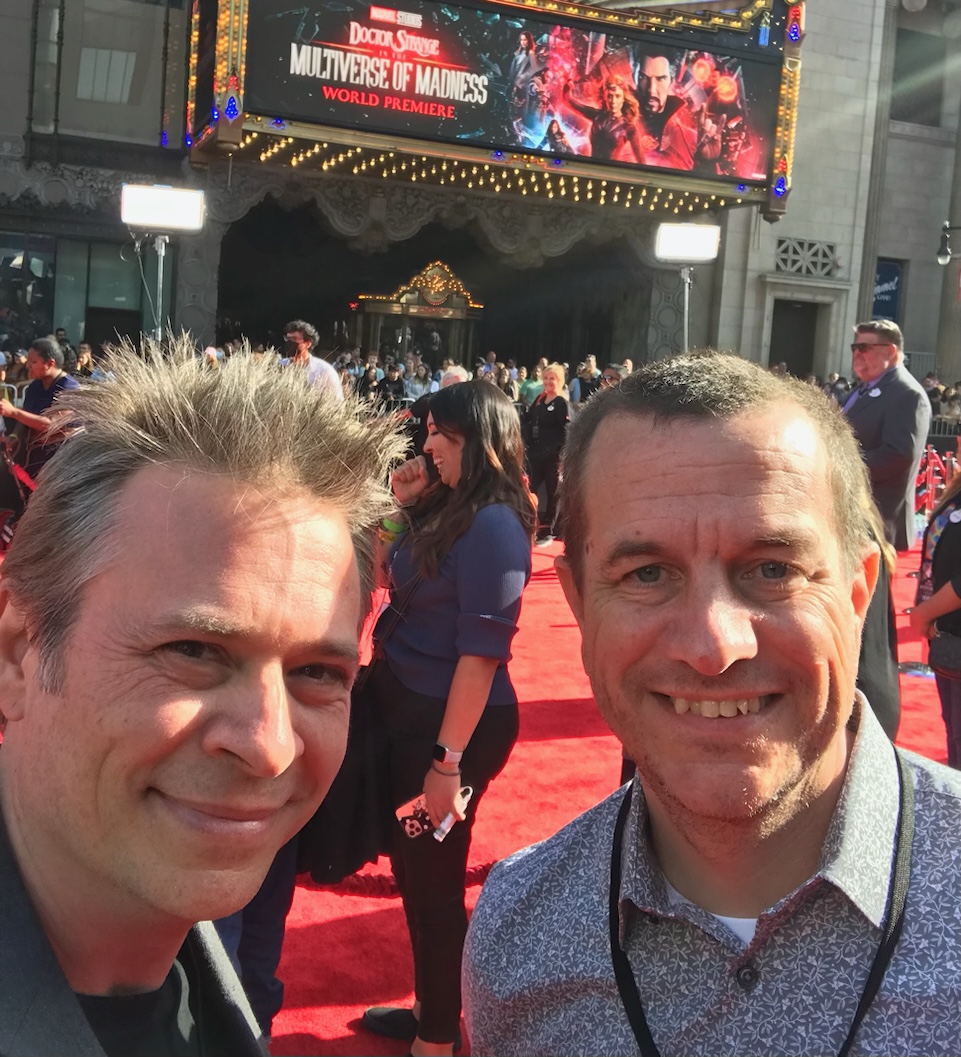
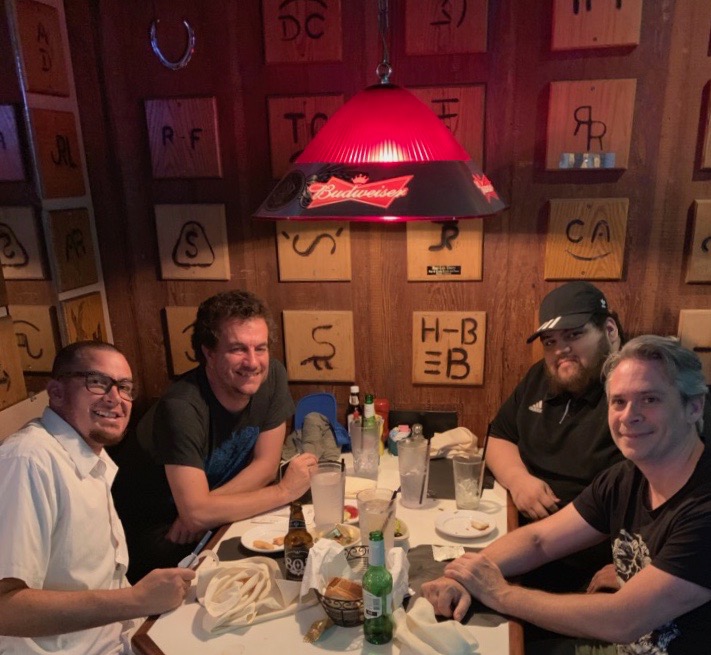
And it isn’t just being nice that inspires the people who know him to say things like that. Dragotta’s generosity was emphasized by his friends and peers, whether that’s the artist working with a slew of others to create the Creators for Creators grant — which was designed to support new artists — or helping Allred unlock the power of digital art tools. Maybe no one knows that better than Simpson, his friend going all the way back to the SCAD days. He said Dragotta “helped him get his career (as a colorist) started.”
“That’s the type of person he is,” Simpson said. “He’s helped a lot of people break in.”
It’s not just friends, either. Simpson recounted convention appearances where Dragotta would make time for young artists who were looking for advice, even after a long day of signing.
“He’s really generous with his time in that respect,” the colorist said.
Dragotta sees it as a way to give back to a community that has given him a lot along the way, something he believes isn’t just something he could do — it’s a responsibility.
“Being successful in this business is really just about doing,” Dragotta said, “If you can help someone get over the hump, be it financially or drawing advice, why wouldn’t you?”
It’s been a long journey in getting there, but no one can deny that Dragotta has made it over that hump. Where he goes next is uncertain. There’s plenty of Absolute Batman on the horizon, but Dragotta has designs on more. He loves working with writers who are open to collaboration like some of his favorites have been, but he could also see himself writing and drawing his own comics — and he has some big ideas for what those could be. Ultimately, though, if there’s one thing he knows, it’s that what comes next isn’t always up to you.
“There’s no way you could have planned this career,” Dragotta said. “It’s comics.”
23 years into his career and 50 years into his life, Nick Dragotta has reached the mountaintop, hitting a level of success few have seen in the medium. While Absolute Batman is a crucial part of that, it’s also true that he’s been putting out great comic art for a long time. So, why is Dragotta having a moment right now? As Hickman noted, sometimes it’s not about the artist. It’s about the moment itself finally catching up to what was already there.
“Let’s be completely honest, while the idea of a house style is bullshit at Marvel or DC, there is an Overton window of ‘acceptable’ mainstream styles that’s probably been pushed more toward Nick because of how dominant manga has been over the last decade or so,” Hickman said. “Which, clearly, has been fantastic for him, and no one’s happier than I am.”
“But it’s also dumb because he’s been this good for fifteen years,” he added. “Sometimes it seems the comic industry is like my kid going to film school then coming home and telling me how good this Pakula guy is.
“I don’t know what else to do except shrug my shoulders and say, ‘no shit.’”
If you enjoyed this feature, consider subscribing to SKTCHD to read more pieces like this, and to support the work that goes into it. SKTCHD is a twice Eisner Award nominated site, and one that’s powered entirely by subscriptions, as there are no ads. If you’d like to read more like this, make sure to subscribe.
As well as discovering others like Hard Boiled, Sin City, The Dark Knight Returns, and beyond.↩
One was of Todd McFarlane’s Spider-Man #1 cover.↩
Dragotta very fondly remembers his time “sitting on the steps of the Uffizi drawing all the classical sculpture” with Morris.↩
He believes he still hasn’t delivered on the latter.↩
It was for Web of Spider-Man.↩
They collaborated on Marvel Zombies Return: Spider-Man and a DC Holiday Special short story.↩
Including America Chavez.↩
And my favorite single-issue comic ever in FF #23, which closed that series out.↩
Meaning the artist works from an outline of a sort, drawing the whole issue, and then the writer adds dialogue later.↩
A bookstore in Torrance, California famed for its inventory of hard-to-find art books of all varieties.↩
He said he thinks “of the latest Batmobile as just a RC car.”↩
Quick aside. Dragotta recounted a story of the first person who wanted his original art. This person reached out after The Losers, and Dragotta just asked for the person’s address, jammed a bunch of pages in a manila envelope, and sent it off. He definitely wasn’t precious with that!↩
Who led off on the book but has since departed.↩
Meaning the side of the comic industry comprised of a couple thousand comic shops.↩
Mostly in the designs and “the way the storytelling is.”↩
A legendary comic artist from Italy.↩
East of West was successful, of course, but Absolute Batman is an incomparable sensation.↩
Dragotta said some of the most avid buyers of his original art are early East of West adopters making up for lost time.↩